
10 Money Saving Hacks to Cut Costs Without Sacrificing Quality
Did you know that 67% of online entrepreneurs fail because they skip this ONE crucial step: mastering their foundational expenses before trying to scale their income?
Whether you are trying to build passive income, launch a new side hustle, or simply breathe easier at the end of the month, optimizing your outgoing cash flow is non-negotiable. In this guide, we are diving deep into 10 money saving hacks to cut costs without sacrificing the quality of your lifestyle.
By treating your personal finances like a business, every dollar you keep effectively becomes tax-free revenue. If you’re tired of watching your hard-earned online earnings slip through your fingers, these strategic money saving hacks will help you plug the leaks, increase your personal profit margins, and accelerate your path to true financial freedom.
What You’ll Need to Get Started
How much could YOU save by following these steps?
Enter your current monthly expenses below to reveal your hidden savings potential based on the hacks in this article.
Before diving into these strategies, you need to set up your financial “command center.” Think of this as the foundation for your wealth-building journey. You don’t need expensive software; in fact, the best tools are often free.
- Financial Tracking Tool: A free budgeting app (like EveryDollar or Goodbudget) or a simple Google Sheets template to track every penny.
- Bank and Credit Card Statements: Access to your last 3 months of transactions to audit your current spending habits.
- A “Wait List” Document: A simple note on your phone for implementing the delayed gratification rule.
- Initial Investment: $0. Implementing these money saving hacks requires zero upfront capital.
- Skill Requirements: Basic spreadsheet navigation, a willingness to negotiate over the phone, and beginner-level organizational skills.
Time Investment
Treat implementing these hacks as your most profitable, immediate-return side hustle. Unlike building a business from scratch, optimizing your expenses yields guaranteed, instant returns.
- Initial Setup Time: 2 to 3 hours to audit your expenses and cancel unused subscriptions.
- Weekly Maintenance: 15 to 20 minutes a week to categorize expenses and review your budget.
- Timeline to First Results: Immediate. The moment you cancel a recurring bill or negotiate a lower rate, you have generated “profit.”
- Realistic Expectations: Most beginners see a reduction in their monthly expenses by 15-20% within the first 60-90 days of consistent effort.
Step-by-Step Implementation Guide
Here are the 10 actionable money saving hacks to implement today.
Step 1: Conduct a Ruthless Subscription Audit
Unused subscriptions are the silent killers of digital income. Go through your bank statements and identify every recurring charge. Cancel anything you haven’t used in the last 30 days.
- Pro Tip: Use services like Rocket Money to help identify hidden subscriptions, but remember to cancel the service itself if you don’t want to pay their premium fees long-term.
Step 2: Implement the 48-Hour Rule for Purchases
Impulse buying destroys financial goals. Whenever you want to buy a non-essential item, put it on a list and wait 48 hours.
- Insider Trick: If you still want the item after two days, check for used or refurbished alternatives first. This simple pause drastically reduces emotional spending.
Step 3: Negotiate Your Fixed Bills
Your internet, insurance, and cell phone bills are not set in stone. Call your providers annually, mention that you are considering switching to a competitor, and ask for their retention department.
- Pro Tip: Research a competitor’s promotional rate before you call to use as leverage.
Step 4: Optimize Cashback and Rewards
Turn your essential spending into micro revenue streams. Use cashback credit cards (if you pay them off monthly) and browser extensions like Rakuten or Honey.
- Warning: Never buy something just for the cashback. Treat this strictly as a monetization strategy for items you were already planning to purchase.
Step 5: Master Strategic Meal Planning
Food is often the highest variable expense. Plan your meals around what is already in your pantry and what is on sale at the grocery store.
- Insider Trick: Cook in bulk and freeze portions. This not only saves money but also saves time—time you can reinvest into your online earnings or side hustle.
Step 6: Optimize Home Energy Efficiency
If you work from home, your utility bills can quietly eat into your profit margins. Switch to LED bulbs, use smart plugs to eliminate phantom power, and adjust your thermostat by two degrees.
- Pro Tip: Contact your local utility company; many offer free home energy audits and supply free energy-saving kits.
Step 7: Embrace “Open-Box” and Refurbished Tech
Never pay retail for electronics. When upgrading your home office or digital tools, buy certified refurbished products directly from manufacturers like Apple or Dell. You get the same quality and warranty at a 20-40% discount.
Step 8: Automate Your Savings
Treat your savings account like your most important bill. Set up an automatic transfer from your checking to a High-Yield Savings Account (HYSA) the day you get paid.
- Insider Trick: Out of sight, out of mind. Automating this process mimics the psychology of passive income, steadily growing your wealth without active effort.
Step 9: Do the “House Brand” Swap
Stop paying for marketing. For pantry staples, cleaning supplies, and basic medications, switch to store brands. The ingredients are often identical to name brands, but the cost is 30-50% lower.
Step 10: Learn Basic DIY Maintenance
Before calling a professional for minor home or car repairs, consult YouTube. Learning how to fix a leaky faucet, change your car’s air filters, or mend clothing acts as a high-yield, tax-free skill set.

Love watching your savings grow? Check out these top saving strategies and get inspired to share your own smart money habits!
How to Save Money on Electricity: 15 Surprisingly Simple Tips That Could Cut Your Bills in Half
Best Cashback Apps: How I Earn Over $500 Back a Year on Normal Shopping
How to Lower Your Bills: The Ultimate Guide to Negotiating Your Cable, Phone, and Insurance Rates
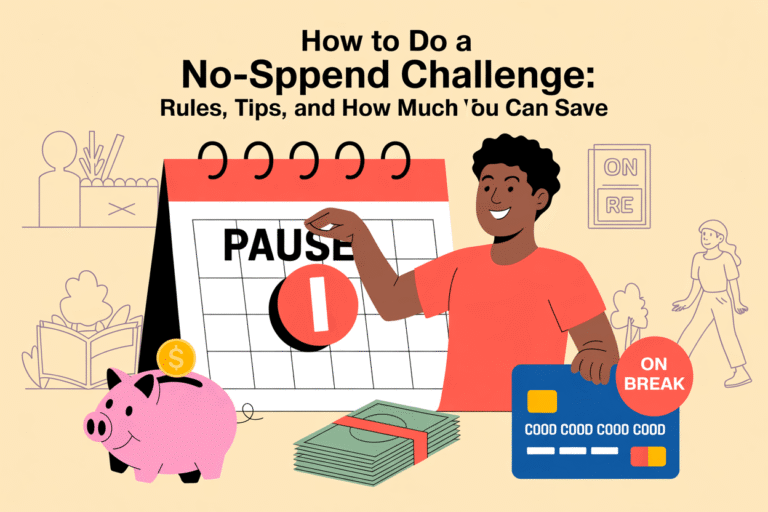
Master Your No Spend Challenge: The Ultimate Guide to Rules, Tips, and Incredible Savings in 2025
50 Easy Ways to Save Money on Groceries Without Coupons: Transform Your Food Budget Today
Income Potential & Earnings Breakdown
How does saving money translate to income potential? Because saved money is post-tax money, every dollar you cut from your budget is actually worth more than a dollar you earn.
Here is a realistic breakdown of what the average household can “earn” by deploying these money saving hacks:
| Hack Category | Estimated Monthly Savings | Annual “Tax-Free Earnings” Equivalent |
|---|---|---|
| Subscription Audit | $40 – $100 | $480 – $1,200 |
| Bill Negotiation | $30 – $80 | $360 – $960 |
| Meal Planning/Groceries | $150 – $300 | $1,800 – $3,600 |
| Cashback Optimization | $20 – $50 | $240 – $600 |
| Total Projected Impact | $240 – $530 / month | **$2,880 – $6,360 / year** |
Note: These figures vary based on your current lifestyle, location, and spending habits.
Alternative Methods & Variations
Financial freedom isn’t one-size-fits-all. Here are variations of the methods above depending on your goals:
- The Extreme Frugality Approach: For those aggressively saving for an initial investment in a business. This involves zero eating out, selling a car to rely on public transit, and extreme couponing.
- The Value-Based Spending Approach: Focuses on ruthlessly cutting costs on things you don’t care about (e.g., designer clothes) so you can spend guilt-free on things you love (e.g., travel).
- The “Sell the Excess” Method: Combine your decluttering efforts with monetization strategies. Sell clothes on Poshmark or tech on eBay to instantly fund your emergency savings.
Best Practices & Optimization Tips
To maximize your results and ensure you don’t experience “budget burnout,” follow these best practices:
- Stack Your Hacks: Combine a cashback credit card with a browser extension and a seasonal sale to triple-dip your savings on necessary purchases.
- Calculate Your Real Hourly Wage: Divide your monthly online earnings by the hours you actually work (including commute). Next time you want to make an impulse purchase, calculate how many hours of your life it costs.
- Use the 50/30/20 Rule: Optimize your budget so 50% goes to needs, 30% to wants, and 20% to savings/investments.
Common Mistakes to Avoid
Even smart people make critical errors when trying to cut costs. Avoid these common pitfalls:
- Buying Cheap Instead of Frugal: Buying a $20 pair of shoes that breaks in two months is worse than buying a $100 pair that lasts five years. Quality matters. Don’t sacrifice long-term value for short-term savings.
- Deprivation Burnout: Cutting out every single pleasure (like your favorite coffee or Netflix) usually leads to a massive spending binge later. Leave room in your budget for joy.
- Ignoring the Big Three: People often obsess over a $3 latte but ignore massive overspending on housing, transportation, and food. Focus your energy on negotiating rent, refinancing cars, and meal planning first.
- Leaving Savings in a Checking Account: If you successfully cut $300 from your budget but leave it in your checking account, inflation will eat it, or you’ll accidentally spend it. Move it to a high-yield account immediately.
Long-Term Sustainability & Growth
Saving money is only the first step; what you do with those savings dictates your financial future.
- Reinvestment Strategies: Take the $300/month you saved from these hacks and funnel it into index funds or use it to fund the initial costs of a scalable side hustle.
- Beat Lifestyle Creep: As your digital income or salary grows, avoid the temptation to inflate your lifestyle. Maintain your frugal habits and direct 100% of new raises toward investments.
- Future-Proofing: Continuously educate yourself. The economy changes, but understanding cash flow, profit margins, and compounding interest will protect you in any financial climate.
Conclusion
Implementing these money saving hacks is the most reliable way to create immediate financial breathing room. By auditing your subscriptions, negotiating bills, and being intentional with your spending, you are effectively creating a tax-free revenue stream without having to work extra hours.
Remember, cutting costs shouldn’t mean cutting joy—it means optimizing your resources so you can fund your path to true financial freedom.
Ready to start your journey? Drop your biggest financial challenge in the comments below! Subscribe to our weekly newsletter for more monetization strategies, and don’t forget to share your progress in our community.
FAQs
How much money can I realistically make or save using these hacks?
Most beginners easily identify $100 to $300 in monthly waste within their first 30 days. Annually, this translates to $1,200 to $3,600 in retained income without taking on a second job.
Do I need prior experience in budgeting?
Not at all. These money saving hacks are designed for absolute beginners. Start with simple tracking using a free app or pen and paper.
What’s the initial investment required?
Zero. You do not need to spend money to save money. In fact, if an app or service charges you a premium fee to “help you save,” look for a free alternative first.
How long until I see results?
You will see results the exact same day you implement Step 1 (canceling unused subscriptions) or Step 3 (negotiating a bill). The cash flow relief is immediate.
Are these methods still win the current economy?
Yes. In fact, during periods of high inflation, negotiating fixed bills, embracing house brands, and eliminating phantom subscriptions are more effective and necessary than ever.
What are the risks involved?
The only risk is “deprivation burnout,” which happens if you cut costs too aggressively. Ensure you maintain a small budget for personal enjoyment to keep your strategy sustainable long-term.
Your Feedback Informs Our Service
There are no reviews yet. Be the first one to write one.