
Profitable Online Business Ideas for Beginners
Did you know that nearly 90% of digital startups fail within their first 120 days simply because they choose the wrong business model for their skill level? The internet is flooded with hype, but the reality of achieving true financial freedom requires more than just a passing trend. If you want to work from home and escape the daily grind, you need proven, scalable frameworks.
Finding profitable online business ideas is the crucial first step to building sustainable digital income. Whether your goal is to launch a profitable side hustle or transition into a full-time online entrepreneur, success comes down to identifying high-demand niches and executing a solid strategy. In this guide, we will explore realistic, data-driven business models that actually work, helping you build a resilient digital portfolio.
Quick Answer
The most sustainable and profitable online business ideas for beginners include niche blogging (leveraging SEO and AdSense), affiliate marketing (like reviewing Amazon products), and domain name investing. By keeping overhead low and focusing on consistent content creation, beginners can establish reliable revenue streams within a few months.
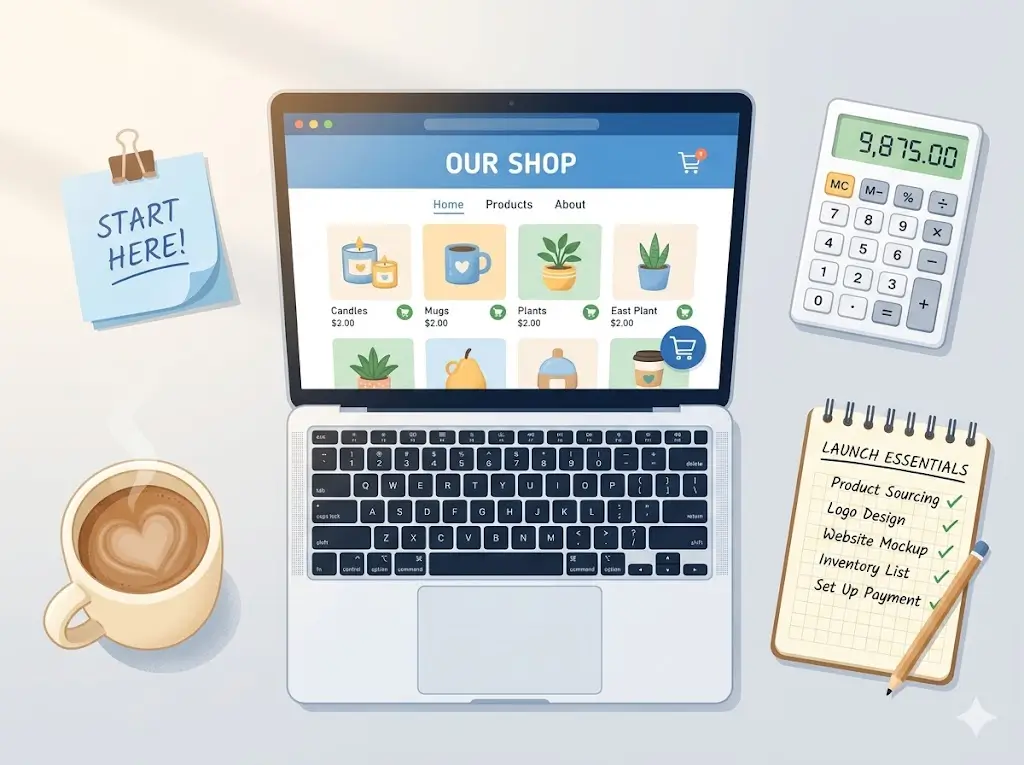
What You’ll Need to Get Started
You don’t need venture capital to launch a successful online venture. The barrier to entry is lower than ever, provided you have the right foundational tools:
- Required Tools: A laptop, a stable internet connection, and a reliable content management system like WordPress. You will also want access to basic keyword research tools and design software (like Kreai or Canva) for visual assets.
- Initial Investment Breakdown:
- Domain Name Registration: $10 – $20/year (Learning the basics of domaining can help you score highly brandable names that appreciate in value).
- Quality Web Hosting: $5 – $25/month.
- Essential Premium Plugins (Optional but recommended): $50 – $100/year for caching and SEO tools.
- Skill Requirements: Basic digital literacy, a willingness to learn generative engine optimization (GEO), and basic writing skills.
- Beginner-Friendly Alternatives: If your budget is strictly zero, you can start by creating a multi-platform content strategy using free channels like YouTube Shorts, Pinterest, or Tumblr to build an audience before buying your own web properties.

Time Investment
One of the biggest myths about online earnings is the promise of overnight wealth. Building a legitimate asset requires a realistic time horizon.
- Setup Time Required: 1 to 3 weeks to research your niche, secure your domain, configure WordPress, and design your site architecture.
- Daily/Weekly Time Commitment: 10 to 20 hours per week. Consistency—writing articles, creating Pinterest pins, and optimizing old posts—is the key to momentum.
- Timeline to First Earnings: Most beginners see results in 60-90 days with consistent effort. It takes time for search engines to index and trust your site, and for AdSense or affiliate networks to approve your applications.
- Comparison: Unlike a traditional job where you trade hours directly for a paycheck, online businesses require front-loaded effort. You build the engine first, which eventually generates passive income while you sleep.
Step-by-Step Implementation Guide
Step 1: Select Your Niche and Business Model
Focus on areas where you have genuine interest and where market demand exists. Running a personal finance resource like a “money roadway” blog, a highly specific product review hub like a “vetted cart” site, or even a specialized baking and cookies blog are excellent examples of focused niches.
Step 2: Secure Your Digital Real Estate
Your domain name is your brand. Treat domain acquisition as an investment. Register a clean, memorable .com address. Set up reliable hosting and install WordPress. Pro Tip: Keep your site architecture clean and mobile-friendly to ensure fast loading speeds—a critical factor for SEO and user experience.
Step 3: Execute a Multi-Platform Content Strategy
Don’t rely solely on Google. Create high-quality, 1,000+ word articles, but repurpose that content. Design vertical pins for Pinterest to drive massive visual traffic, and clip your core concepts into YouTube Shorts. This omnichannel approach protects you against algorithm updates.
Step 4: Implement Monetization Strategies
Once you hit 30-50 high-quality articles and secure steady traffic, apply for Google AdSense or premium ad networks. Simultaneously, integrate affiliate links (like Amazon Associates) into your product reviews naturally.
Income Potential & Earnings Breakdown
Understanding your income potential helps set realistic expectations and prevents early burnout. Here is a breakdown of what you can expect as you scale your profit margins:
| Experience Level | Estimated Monthly Earnings | Primary Revenue Streams |
|---|---|---|
| Beginner (0-6 Months) | $0 – $500 | Amazon Associates, basic AdSense, small sponsorships. |
| Intermediate (6-18 Months) | $1,000 – $4,000 | Premium ad networks (Mediavine/Rapture), high-ticket affiliate marketing, domain flipping. |
| Advanced (2+ Years) | $5,000 – $20,000+ | Digital product sales, course launches, managing a portfolio of multiple monetized websites. |
Note: Earning potential is highly dependent on your chosen niche’s RPM (Revenue Per Mille) and your dedication to consistent traffic generation.
Want a tastier portfolio? Get the recipe for success with these market-tested strategies and share your own financial creations!
From Side Hustle to Full-Time: How I Replaced My 9-5 Income Online
How to Start a Profitable Blog in 2026: A Beginner’s Blueprint
Affiliate Marketing for Beginners: How to Earn Your First $1,000
The 5 Most Profitable Online Business Niches That Will Transform Your Financial Future This Year
How to Start a Blog and Make Money: The Ultimate Beginner’s Blueprint for 2026
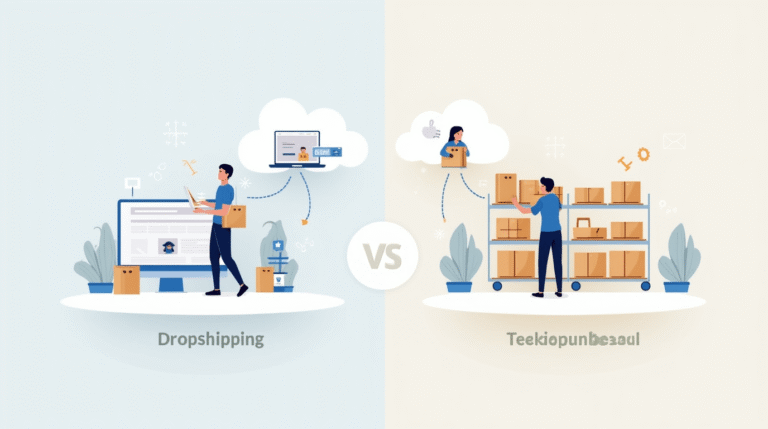
Dropshipping vs. E-commerce: Which Online Business Model is Right for You?
How to Build a Niche Website from Scratch and Generate Passive Income Through Affiliate Marketing
Alternative Methods & Variations
If traditional blogging feels too slow, there are multiple variations of these profitable online business ideas:
- Domain Name Investing (Domaining): Buy undervalued, keyword-rich domain names and sell them at a premium to businesses. This requires market research but offers incredible ROI.
- Authority Affiliate Sites: Instead of broad topics, hyper-focus on specific product categories (e.g., exclusively reviewing standing desks or specialized kitchen appliances).
- The Pinterest-to-Blog Arbitrage: Focus heavily on creating highly clickable visual content on Pinterest that directs traffic to display-ad-heavy articles, bypassing the wait time of traditional SEO.
Best Practices & Optimization Tips
To maximize your online earnings, efficiency is paramount. Use these strategies to scale faster:
- Embrace Generative Engine Optimization (GEO): Format your articles with clear headings, bullet points, and “Quick Answer” paragraphs so AI search engines can easily parse and feature your content.
- Batch Your Content: Spend one day writing, one day generating AI images or Kreai visuals, and one day scheduling Pinterest pins.
- Internal Linking: Create content silos. Link your related personal finance articles together, or your baking recipes together, to keep readers on your site longer and lower your bounce rate.
Common Mistakes to Avoid
The path to building a successful online enterprise is filled with traps. Keep these pitfalls in mind:
- Ignoring E-E-A-T Principles: Google wants Experience, Expertise, Authoritativeness, and Trustworthiness. Avoid publishing generic, AI-spun garbage without adding your personal insights or real-world testing.
- Keyword Stuffing: Cramming your focus keyword into every sentence ruins the reader experience and incurs search engine penalties.
- Relying on a Single Traffic Source: Sites that rely 100% on Google search are vulnerable. Diversify by building an email list and maintaining active social channels.
Long-Term Sustainability & Growth
To transform your side hustle into a sustainable, long-term business:
- Reinvestment Strategies: Take your first $1,000 in profit and reinvest it. Buy better SEO tools, invest in higher-quality domain names, or hire freelance writers to scale your content production.
- Portfolio Diversification: Once your first website is earning consistently, don’t just rest on your laurels. Start a second site in a different niche to spread your risk.
- Future-Proofing: Always prioritize building an email list. Algorithms change, and ad rates fluctuate, but an engaged list of subscribers is an asset you own completely.
Conclusion
Exploring profitable online business ideas is just the beginning; executing them with patience and precision is what guarantees success. By setting up a robust digital foundation, leveraging multi-platform traffic strategies like Pinterest, and creating multiple revenue streams, you can build an online portfolio that offers true financial freedom. Remember, sustainable online earnings come to those who provide genuine value and stay consistent through the initial setup phase.
Ready to start your journey? Drop your questions about domaining, blogging, or affiliate marketing in the comments! Subscribe for weekly money-making strategies, and be sure to share your progress in our community.
FAQs
How much money can I realistically make?
While beginners may only see a few dollars in their first months, consistent content creators can realistically build revenue streams generating $2,000 to $5,000+ per month after 12 to 18 months of focused effort.
Do I need prior experience?
No. Most successful online entrepreneurs are self-taught. However, a willingness to learn basic SEO, website management, and digital marketing is absolutely essential.
What’s the initial investment?
You can launch a basic WordPress site and secure a domain name for under $100. It is highly recommended to start lean and let your early profits fund your future business expansions.
How long until I see results?
For organic search traffic, expect a timeline of 60 to 90 days before seeing noticeable daily visitors. If you utilize platforms like Pinterest, you can occasionally drive traffic much faster.
Is this method still working in 2026?
Absolutely. While low-effort, spammy content no longer works, high-quality, data-driven content that genuinely helps users make decisions or learn new skills is more profitable than ever.
What are the risks involved?
The primary risks are the loss of your initial time investment and minor hosting fees. Because the overhead is so low compared to a physical business, online entrepreneurship remains one of the safest ways to start a business.
Your Feedback Informs Our Service
There are no reviews yet. Be the first one to write one.