Cash Envelope System: A Beginner’s Guide to Budgeting
The notification pings on your phone: “Insufficient funds.” Your heart sinks as you realize you’ve done it again—somehow spent more than you intended, leaving you scrambling to cover basic expenses until your next paycheck. You’re not alone in this struggle. According to recent studies, 78% of Americans live paycheck to paycheck, and overspending remains the primary culprit behind financial stress and mounting debt.
Perhaps you’ve tried budgeting apps, spreadsheets, or mental calculations, only to find yourself mysteriously short on cash by month’s end. The problem isn’t your willpower or mathematical abilities—it’s the invisible nature of digital transactions that make it incredibly easy to lose track of spending. When money exists only as numbers on a screen, the psychological impact of spending diminishes, leading to the “swipe and forget” mentality that destroys budgets.
Enter the cash envelope system—a time-tested, psychologically powerful method that transforms abstract numbers into tangible reality. This system forces you to confront every spending decision with physical cash, creating an immediate emotional connection to your money that digital payments simply cannot replicate. When you can see and feel your budget shrinking with each purchase, overspending becomes not just noticeable, but emotionally uncomfortable.
The beauty of the cash envelope system lies in its simplicity and effectiveness. No apps to download, no complex calculations, no monthly fees—just you, your cash, and clearly defined spending boundaries that are impossible to ignore. This method has helped millions of people regain control over their finances, eliminate debt, and build substantial savings, regardless of their income level or financial background.
Understanding the Cash Envelope System: Back to Basics
What is the Cash Envelope System?
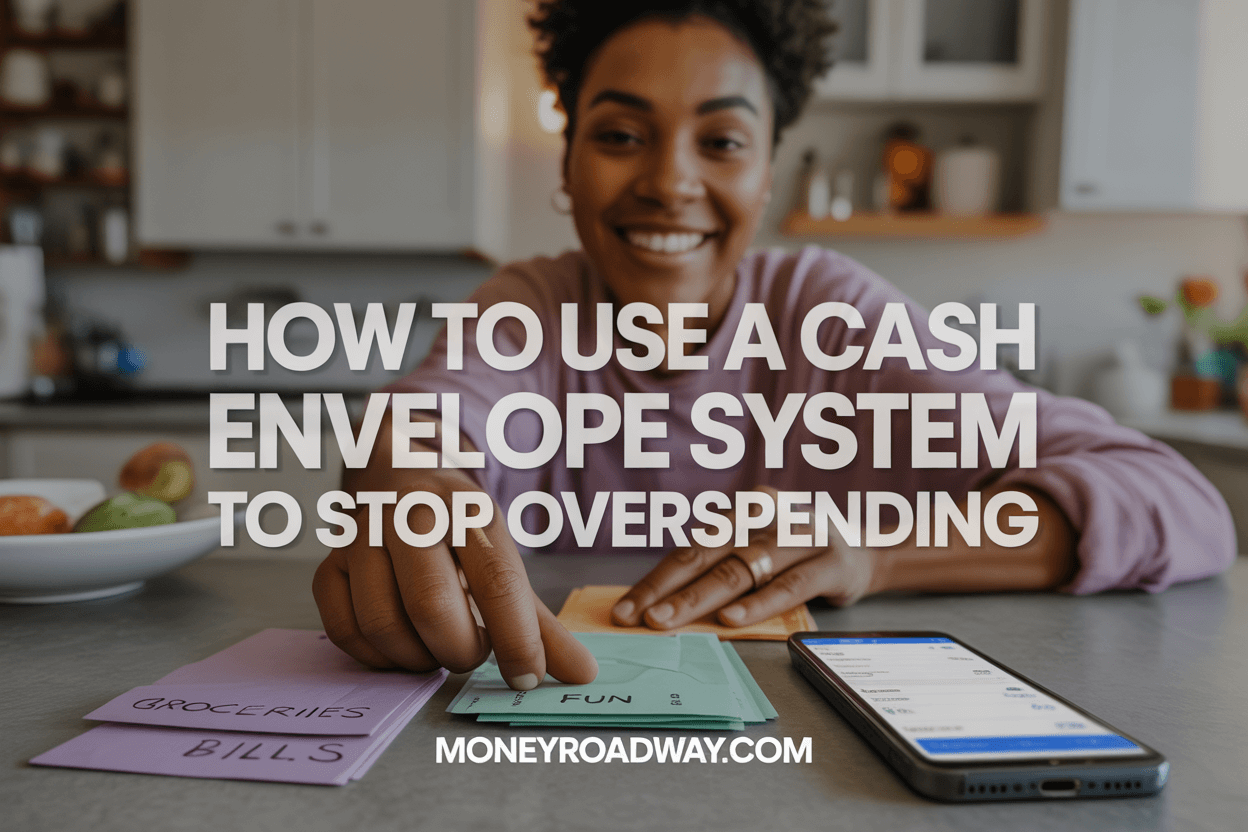
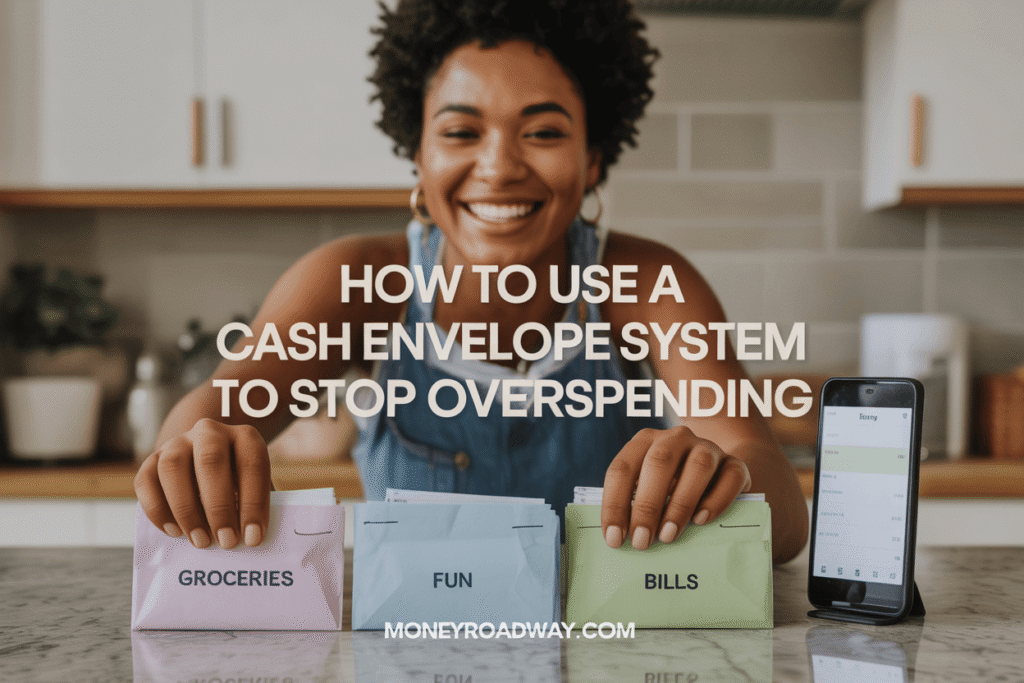
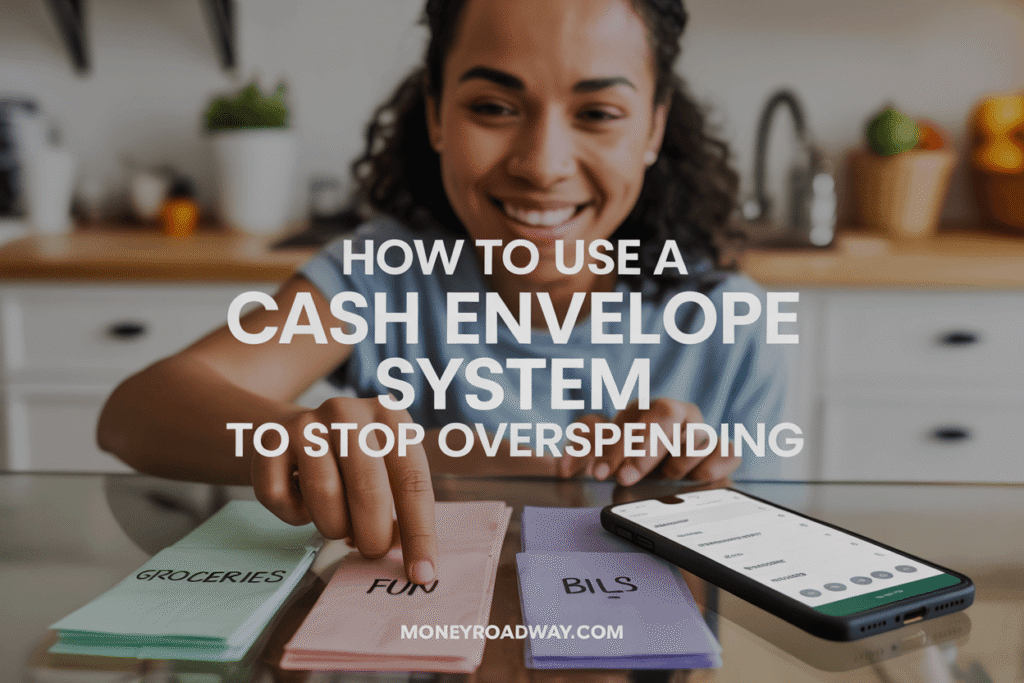
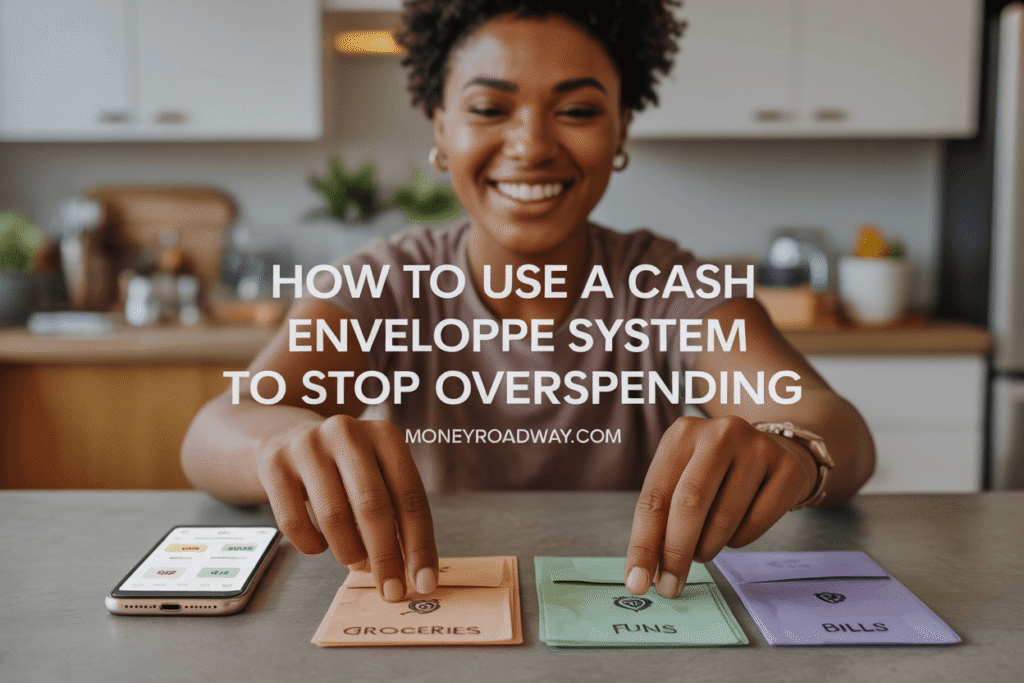
The cash envelope system is a budgeting method where you allocate specific amounts of cash into labeled envelopes for different spending categories. Once an envelope is empty, you cannot spend any more money in that category until the next budgeting period. This physical approach to money management creates tangible boundaries that are impossible to ignore or rationalize away.
Core Principles of the Cash Envelope System:
- Physical cash creates psychological spending barriers
- Visual depletion of funds increases spending awareness
- Hard limits prevent category overspending
- Immediate feedback on financial decisions
- Forces prioritization of needs versus wants
- Eliminates the abstract nature of digital transactions
The Psychology Behind Cash Spending
Research in behavioral economics reveals fascinating insights about how payment methods affect our spending behavior. The “pain of payment” concept explains why cash transactions feel more impactful than card or digital payments.
Psychological Benefits of Cash Usage:
- Tangible Loss Aversion: Physically handing over cash triggers stronger loss aversion than swiping a card
- Immediate Feedback: You can see your available funds decrease in real-time
- Mental Accounting: Physical separation of funds reinforces category boundaries
- Increased Mindfulness: Cash transactions require more deliberate decision-making
- Reduced Impulse Purchases: The friction of counting cash creates pause moments
Historical Success and Modern Relevance
The cash envelope system gained widespread popularity through financial experts like Dave Ramsey, who has helped millions of people eliminate debt using this method. While digital payment methods have evolved, the fundamental psychological principles remain unchanged, making this system as relevant today as ever.
Modern Statistics Supporting Cash Usage:
- People spend 12-18% less when using cash versus cards
- 83% of cash envelope users report reduced overspending within the first month
- Families using cash budgeting save an average of $1,200 more annually
- 71% of successful debt elimination stories involve cash-based budgeting methods
Love financial peace of mind? Check out these top budgeting methods and get inspired to share your own financial game plan!
How to Create a Bi-Weekly Budget That Actually Works (Perfect If You Get Paid Every Two Weeks)
7 Best Budgeting Apps of 2024 to Take Control of Your Money
The 50/30/20 Rule: Master Your Money with This Simple Budgeting Method for Beginners
How to Create a Zero-Based Budget That Actually Works
Zero-Based Budgeting: Transform Your Finances with a Budget That Actually Works in 2025
Setting Up Your Cash Envelope System: Step-by-Step Guide
Phase 1: Budget Analysis and Category Creation
Before implementing your cash envelope system, you need a clear understanding of your spending patterns and financial obligations.
Essential Budget Categories for Envelope System:
- Variable Expenses (Best for envelopes):
- Groceries and household items
- Dining out and entertainment
- Gas and transportation
- Personal care and clothing
- Miscellaneous spending
- Gift and holiday funds
- Fixed Expenses (Keep automated):
- Rent or mortgage payments
- Insurance premiums
- Loan payments
- Utilities and subscriptions
- Savings transfers
Phase 2: Determining Envelope Amounts
Calculate realistic amounts for each envelope based on your historical spending data and financial goals.
Envelope Amount Calculation Method:
- Review Past Spending: Analyze 3 months of bank statements
- Calculate Averages: Determine monthly averages for each category
- Apply Reduction Goal: Reduce amounts by 10-20% to encourage mindful spending
- Test and Adjust: Fine-tune amounts based on actual usage
Sample Monthly Cash Envelope Budget
| Envelope Category | Conservative Budget | Moderate Budget | Liberal Budget |
|---|---|---|---|
| Groceries | $300 | $450 | $600 |
| Dining Out | $100 | $200 | $350 |
| Gas/Transportation | $150 | $200 | $300 |
| Entertainment | $75 | $150 | $250 |
| Personal Care | $50 | $100 | $150 |
| Clothing | $75 | $150 | $250 |
| Miscellaneous | $100 | $150 | $200 |
| Total Cash Budget | $850 | $1,400 | $2,100 |
Phase 3: Physical Setup and Organization
Essential Supplies for Your Cash Envelope System:
- Sturdy envelopes or accordion file organizer
- Permanent markers for clear labeling
- Receipt holder or small notebook
- Calculator for quick math
- Rubber bands or clips for organization
- Small wallet or purse for daily envelopes
Organization Tips:
- Use different colored envelopes for each category
- Write the budgeted amount and period dates on each envelope
- Create a master list of all envelope categories and amounts
- Keep receipts in envelopes for expense tracking
- Store unused envelopes in a secure location
Phase 4: Cash Withdrawal Strategy
Optimal Cash Management Approaches:
- Monthly Withdrawal: Get all cash at the beginning of each month
- Bi-weekly Withdrawal: Split monthly amounts across two withdrawals
- Weekly Withdrawal: Smaller, more frequent cash pickups
- As-Needed Withdrawal: Replenish envelopes when they run low
Safety Considerations:
- Never carry all envelopes simultaneously
- Keep home envelopes in a locked box or safe
- Inform trusted family members about the system location
- Consider splitting large amounts across multiple withdrawal dates
- Use bank ATMs during daylight hours for safety
Implementing the Cash Envelope System: Practical Strategies
Week 1: Foundation Building
Day 1-3: Setup and Initial Funding
- Create and label all envelopes
- Make initial cash withdrawal
- Distribute cash into appropriate envelopes
- Explain the system to family members
Day 4-7: First Spending Experiences
- Start with low-stakes purchases like groceries
- Practice counting cash before purchases
- Keep all receipts for tracking
- Note emotional responses to cash spending
Week 2-3: Habit Formation
Building Consistent Routines:
- Check envelope balances before shopping trips
- Take only relevant envelopes for each outing
- Count remaining cash after each purchase
- Transfer receipts to tracking system daily
Common Early Challenges:
- Forgetting envelopes at home
- Temptation to “borrow” between categories
- Merchant policies requiring cards
- Social situations involving splitting bills
Week 4: System Refinement
Optimization Strategies:
- Adjust envelope amounts based on actual needs
- Identify categories requiring more or less funding
- Develop backup plans for envelope shortfalls
- Create accountability measures with family or partners
Advanced Envelope Management Techniques
The Sinking Fund Strategy: Create separate envelopes for irregular but predictable expenses:
- Annual insurance premiums
- Holiday gift spending
- Car maintenance and repairs
- Medical and dental expenses
- Vacation and travel funds
Monthly Sinking Fund Contributions:
| Annual Expense | Estimated Cost | Monthly Envelope Amount |
|---|---|---|
| Car Insurance | $1,200 | $100 |
| Holiday Gifts | $600 | $50 |
| Car Maintenance | $800 | $67 |
| Medical/Dental | $500 | $42 |
| Vacation Fund | $2,400 | $200 |
| Total | $5,500 | $459 |
Overcoming Common Cash Envelope System Challenges
Challenge 1: Online Shopping and Digital Payments
Modern life often requires digital transactions, but you can maintain envelope system principles.
Digital Integration Solutions:
- Debit Card Method: Use debit card but subtract amounts from physical envelopes immediately
- Digital Envelope Apps: Mirror physical system with apps like YNAB or Goodbudget
- Prepaid Card Strategy: Load prepaid cards with envelope amounts for online purchases
- Gift Card Method: Buy gift cards for specific retailers using envelope cash
Challenge 2: Social Situations and Peer Pressure
Dining out, entertainment, and social activities can challenge your envelope system commitment.
Social Situation Strategies:
- Plan ahead for social events by checking relevant envelope balances
- Suggest alternative activities that fit your budget
- Use the “envelope excuse” to politely decline overspending opportunities
- Bring exact amounts to prevent overspending temptation
- Find accountability partners who support your financial goals
Challenge 3: Merchant Payment Preferences
Some businesses prefer or require card payments, potentially disrupting your cash system.
Merchant Challenge Solutions:
- Research merchant payment policies before shopping
- Use online bill pay for utilities and subscriptions
- Maintain one debit card for emergencies only
- Choose cash-friendly businesses when possible
- Negotiate payment terms with service providers
Challenge 4: Family Member Buy-In
Success requires cooperation from all family members sharing finances.
Family Integration Strategies:
- Hold family meetings to explain system benefits
- Assign age-appropriate envelope responsibilities to children
- Create visual tracking systems for family visibility
- Establish clear rules about envelope borrowing
- Celebrate family financial wins and milestones
Tracking Progress and Measuring Success
Essential Metrics for Cash Envelope Success
Monthly Tracking Categories:
- Total amount spent in each envelope category
- Number of times you stayed within envelope limits
- Percentage of envelopes that lasted the entire month
- Amount of money left over at month-end
- Frequency of envelope transfers or borrowing
Visual Progress Tracking Methods
Effective Tracking Systems:
- Envelope Balance Sheet: Simple spreadsheet tracking daily balances
- Photo Documentation: Pictures of envelope contents at regular intervals
- Receipt Analysis: Weekly review of all purchases and patterns
- Spending Journal: Written record of emotions and decisions around purchases
- Family Budget Meetings: Regular discussions about system effectiveness
Success Milestones and Celebration
| Milestone | Achievement Description | Reward Suggestion |
|---|---|---|
| Week 1 | Successfully used cash for all envelope categories | Special homemade dinner |
| Month 1 | Stayed within all envelope limits | Small personal treat |
| Month 3 | Consistent system usage with adjustments | Date night or activity |
| Month 6 | Significant overspending reduction | Weekend getaway |
| Month 12 | Full year of successful cash envelope budgeting | Meaningful experience or purchase |
Transitioning from Cash Envelopes: Long-Term Strategy
When to Consider System Evolution
The cash envelope system serves as an excellent training ground for developing spending discipline, but you may eventually want to evolve your approach while maintaining the core principles.
Signs You’re Ready for Evolution:
- Consistent success with cash envelopes for 6+ months
- Strong awareness of spending patterns and triggers
- Automatic mental calculations before purchases
- Reduced impulse buying regardless of payment method
- Clear understanding of true needs versus wants
Hybrid Approaches for Advanced Users
Digital Cash Envelope Methods:
- Banking App Envelopes: Many banks now offer digital envelope features
- Specialized Apps: Tools like YNAB, Mint, or EveryDollar for digital envelope budgeting
- Multiple Account Strategy: Separate checking accounts for each major spending category
- Prepaid Card System: Reload specific amounts monthly for different categories
Maintaining Envelope System Principles Digitally
Core Principles to Preserve:
- Hard spending limits for each category
- No borrowing between categories without conscious decision
- Regular balance checking before purchases
- Physical or visual representation of budget depletion
- Accountability measures for overspending
Advanced Cash Envelope Strategies for Maximum Impact
The 50/20/30 Cash Envelope Variation
Adapt the popular 50/20/30 budgeting rule to your cash envelope system for comprehensive financial management.
50/20/30 Envelope Breakdown:
- 50% Needs: Fixed expenses (paid outside envelope system)
- 20% Savings/Debt: Automatic transfers before cash distribution
- 30% Wants: All cash envelope categories (dining, entertainment, shopping)
Seasonal Envelope Adjustments
Quarterly Budget Reviews:
- Spring: Increase outdoor activity and home improvement envelopes
- Summer: Boost vacation and entertainment funding
- Fall: Prepare back-to-school and holiday shopping envelopes
- Winter: Focus on heating costs and indoor entertainment
Emergency Fund Integration
Emergency Cash Envelope Strategy:
- Maintain separate emergency fund outside the regular envelope system
- Keep small emergency cash in easily accessible location
- Define clear criteria for emergency fund usage
- Establish immediate replacement plan for emergency fund withdrawals
FAQ: Everything You Need to Know About the Cash Envelope System
How does a cash envelope system help stop overspending?
The cash envelope system stops overspending by creating physical barriers to excessive spending. When you can see and feel your money decreasing with each purchase, it triggers stronger psychological responses than digital transactions. The system makes it impossible to spend more than allocated amounts since once an envelope is empty, no more money is available for that category until the next budget period.
Which spending categories work best with the cash envelope system?
The most effective categories for cash envelopes are variable expenses like groceries, dining out, entertainment, gas, clothing, and personal care items. Fixed expenses like rent, insurance, and loan payments should remain automated. Focus on categories where you tend to overspend or have difficulty tracking expenses.
What should I do if I run out of money in an envelope before the month ends?
If an envelope runs empty, you have several options: live without purchases in that category, reallocate money from another envelope, or adjust next month’s budget amounts. The key is to avoid using credit cards or borrowing money, as this defeats the purpose of the cash envelope system. Use empty envelopes as learning opportunities to better understand your spending patterns.
Is the cash envelope system safe in today’s digital world?
While carrying cash involves some risk, you can minimize danger by never carrying all envelopes simultaneously, using bank ATMs during daylight hours, and keeping unused envelopes in a secure home location. Many people find the benefits of reduced overspending outweigh the minimal security risks when proper precautions are taken.
Can I use a cash envelope system for online purchases?
Yes, you can adapt the cash envelope system for online shopping by using debit cards but immediately subtracting purchase amounts from corresponding physical envelopes. Some people use prepaid cards loaded with envelope amounts or purchase gift cards for specific retailers using envelope cash.
How long does it take to see results with the cash envelope system?
Most people notice immediate changes in their spending awareness, with significant overspending reduction within the first month. However, it typically takes 3-6 months to develop strong habits and see substantial financial improvements. The key is consistency and patience as you adjust to this new way of managing money.
Should children be included in the family cash envelope system?
Including age-appropriate children in your cash envelope system teaches valuable financial literacy skills. Younger children can help count money and understand basic budgeting concepts, while teenagers can manage their own envelopes for clothing or entertainment expenses. This hands-on experience provides practical money management education.
Conclusion: Your Journey to Financial Control Starts Now
The cash envelope system represents more than just a budgeting method—it’s a powerful tool for psychological transformation that rebuilds your relationship with money. In a world where spending has become increasingly abstract and effortless, this system reintroduces the tangible reality of financial decisions and their consequences.
Your journey with the cash envelope system will likely involve initial discomfort as you adjust to new spending limitations and increased awareness of your financial choices. This discomfort is not a sign of failure; it’s evidence that the system is working to break old patterns and establish healthier financial behaviors.
The statistics speak clearly: people who use cash spend significantly less than those relying solely on cards or digital payments. But beyond the numbers, the real victory lies in the confidence and control you’ll develop over your financial future. Each time you successfully stay within envelope limits, you’re building the discipline and awareness necessary for long-term financial success.
Remember that perfection isn’t the goal—progress is. Some months you’ll excel at staying within every envelope limit, while others may require adjustments and learning from overspending episodes. Both experiences contribute to your financial education and growth.
The skills you develop through the cash envelope system—mindful spending, category prioritization, and emotional awareness around money decisions—will serve you throughout your lifetime, regardless of how your budgeting methods evolve. These foundational skills form the basis for all successful financial management.
Your future self will thank you for taking control of overspending today. Every dollar you save through mindful spending using the cash envelope system becomes a dollar available for debt reduction, emergency fund building, or pursuing dreams that truly matter to you.
Ready to transform your spending habits and take control of your financial future? Start today by analyzing your spending patterns, setting up your first three cash envelopes for your biggest overspending categories, and committing to one month of consistent envelope usage. Your journey to financial freedom doesn’t require perfection—it requires taking the first step with the cash envelope system.
Zero-Based Budgeting: Transform Your Finances with a Budget That Actually Works in 2025