No Spend Challenge: A Realistic Guide to Saving Money
Picture this: You’re scrolling through your bank statement, and that familiar knot forms in your stomach. Another month where money seemed to vanish into thin air. Those “just this once” purchases, the convenience buys, the impulse splurges – they’ve all added up to a financial reality that feels overwhelming. You’re not alone in this struggle. Millions of people worldwide find themselves trapped in cycles of mindless spending, wondering where their hard-earned money disappeared.
What if there was a way to break free from this pattern? What if you could regain control, build substantial savings, and discover what truly matters to you – all while participating in a movement that’s transforming lives across the globe? Welcome to the world of no spend challenges, where financial freedom isn’t just a dream but an achievable reality.
What Is a No Spend Challenge?
A no spend challenge represents a deliberate commitment to eliminate unnecessary purchases for a predetermined period. During this time, you focus exclusively on essential expenses like housing, utilities, groceries, and transportation while avoiding discretionary spending entirely.
This powerful financial strategy serves multiple purposes beyond simple money-saving. Participants often discover hidden spending patterns, develop stronger willpower, and gain clarity about their genuine needs versus manufactured wants. The challenge acts as a financial reset button, allowing you to step back from consumer culture and evaluate your relationship with money.
30-Day “Freeze” Tracker
What if you didn’t spend a dime on extras for 30 days? Calculate your “No Spend” impact.
Stay Strong for 30 Days
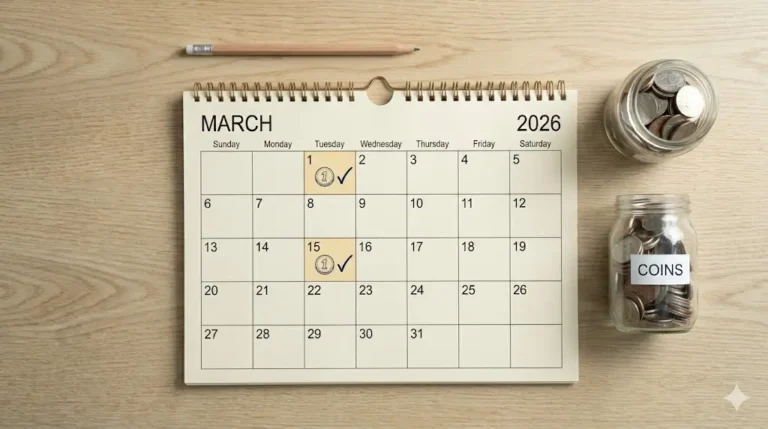
Download our “No Spend Month Calendar & Habit Tracker” to cross off your successful days and stay motivated.
Types of No Spend Challenges
Different variations cater to various lifestyles and goals:
- 30-Day Challenge: Perfect for beginners seeking immediate results
- Weekly Challenges: Ideal for testing your commitment level
- Category-Specific: Focusing on particular spending areas like dining out or entertainment
- Year-Long Challenges: Advanced commitment for maximum transformation
Essential No Spend Challenge Rules
Creating clear boundaries ensures your challenge's success. These fundamental rules provide structure while maintaining flexibility for genuine needs.
Core Guidelines
Your no spend challenge should include these non-negotiable elements:
- Define Essential vs. Non-Essential Spending
- Essentials: Housing, utilities, groceries, transportation, medical expenses
- Non-essentials: Entertainment, dining out, clothing (unless replacing worn items), impulse purchases
- Set Clear Time Boundaries
- Choose your challenge duration beforehand
- Mark start and end dates on your calendar
- Avoid extending or shortening arbitrarily
- Create Emergency Exceptions
- Medical emergencies
- Essential item replacements (broken appliances, worn-out work shoes)
- Unexpected transportation needs
Customization Options
Tailor your challenge to fit your circumstances:
| Challenge Type | Duration | Allowed Expenses | Difficulty Level |
|---|---|---|---|
| Beginner | 7-14 days | All essentials + one entertainment category | Easy |
| Intermediate | 30 days | Essentials only | Moderate |
| Advanced | 90+ days | Essentials + strict emergency criteria | Challenging |
Love watching your savings grow? Check out these top saving strategies and get inspired to share your own smart money habits!
How to Save Money on Electricity: 15 Surprisingly Simple Tips That Could Cut Your Bills in Half
Best Cashback Apps: How I Earn Over $500 Back a Year on Normal Shopping
How to Lower Your Bills: The Ultimate Guide to Negotiating Your Cable, Phone, and Insurance Rates
Master Your No Spend Challenge: The Ultimate Guide to Rules, Tips, and Incredible Savings in 2025
50 Easy Ways to Save Money on Groceries Without Coupons: Transform Your Food Budget Today
Step-by-Step Guide: Starting Your No Spend Challenge
Phase 1: Preparation (1 Week Before)
Analyze Your Spending Patterns
Review three months of bank statements to identify your biggest spending categories. This awareness prevents shock during your challenge and helps set realistic expectations.
Stock Up on Essentials
Purchase necessary items before starting:
- Household supplies (toilet paper, cleaning products)
- Personal care items (toothpaste, shampoo)
- Non-perishable food staples
Inform Your Support System
Tell family and friends about your challenge. Their understanding prevents awkward situations and might inspire them to join you.
Phase 2: Launch (Day 1)
Remove Temptations
- Unsubscribe from promotional emails
- Delete shopping apps from your phone
- Avoid browsing retail websites
- Stay away from shopping centers unless absolutely necessary
Establish Daily Habits
- Check in with your goals each morning
- Track any spending urges in a journal
- Find free alternatives for entertainment
Phase 3: Maintenance (Ongoing)
Weekly Check-ins
Assess your progress and address challenges before they derail your efforts. Calculate your savings and celebrate small victories.
Adjust Strategies
If certain rules aren't working, modify them while maintaining your core commitment. Flexibility prevents all-or-nothing thinking that leads to abandoning the challenge entirely.
Essential Tips for No Spend Challenge Success
Mental Strategies
Identify Your Why
Connect your challenge to deeper motivations. Whether you're saving for a vacation, paying off debt, or building an emergency fund, keeping your ultimate goal visible strengthens your resolve during difficult moments.
Practice the 24-Hour Rule
When you feel the urge to purchase something, wait 24 hours. Most impulses fade when given time, and you'll often realize you didn't truly need the item.
Reframe Your Mindset
Instead of focusing on deprivation, emphasize abundance. You have abundant time to pursue hobbies, abundant opportunities to connect with loved ones, and abundant resources already in your possession.
Practical Strategies
Master Free Entertainment
Create a comprehensive list of cost-free activities:
- Visit local libraries for books, movies, and events
- Explore hiking trails and public parks
- Attend free community events and festivals
- Host potluck dinners with friends
- Start creative projects using supplies you already own
Meal Planning Mastery
Food represents one of the largest variable expenses in most budgets. Strategic planning maximizes your grocery budget:
Sample Weekly Meal Plan Template
| Day | Breakfast | Lunch | Dinner |
|---|---|---|---|
| Monday | Oatmeal with banana | Leftover soup | Pasta with vegetables |
| Tuesday | Toast with peanut butter | Salad with beans | Rice and lentils |
| Wednesday | Yogurt with granola | Sandwich | Stir-fry with frozen vegetables |
Inventory Management
Before your challenge begins, catalog what you already own:
- Count clothing items in each category
- List books, movies, and games you haven't used recently
- Note craft supplies and hobby materials gathering dust
How Much Money Can You Actually Save?
The savings potential from no spend challenges varies dramatically based on your pre-challenge spending habits, challenge duration, and commitment level.
Average Savings by Category
Research indicates typical participants save substantial amounts across various spending categories:
Dining and Entertainment: $200-$500 monthly
- Restaurant meals: $150-$300
- Coffee shops: $50-$100
- Movies and events: $75-$150
Impulse Purchases: $100-$300 monthly
- Online shopping: $75-$200
- Convenience store buys: $25-$75
- Subscription services: $30-$80
Clothing and Personal Items: $75-$200 monthly
- Fashion purchases: $50-$150
- Beauty products: $25-$75
- Accessories: $15-$50
Real Success Stories
Case Study 1: Sarah's 30-Day Challenge Sarah, a marketing professional, saved $847 during her first no spend month by:
- Cooking all meals at home ($312 saved)
- Canceling unused subscriptions ($67 saved)
- Avoiding impulse purchases ($468 saved)
Case Study 2: The Martinez Family's 90-Day Challenge This family of four saved $2,340 over three months by:
- Eliminating dining out ($1,080 saved)
- Using library resources instead of buying entertainment ($240 saved)
- Postponing non-essential home purchases ($1,020 saved)
Overcoming Common No Spend Challenge Obstacles
Social Pressure and FOMO
Social situations often present the biggest challenges to maintaining your no spend commitment. Friends might not understand your goals, and you may feel excluded from activities that require spending money.
Solutions:
- Suggest alternative activities when friends propose expensive outings
- Host gatherings at your home instead of meeting at restaurants
- Be honest about your financial goals – many people are more understanding than expected
- Remember that true friends support your positive life changes
Emotional Spending Triggers
Many people use shopping as emotional regulation, turning to purchases when feeling stressed, bored, or sad. Recognizing these patterns is crucial for long-term success.
Coping Strategies:
- Identify your primary emotional triggers
- Develop alternative responses (exercise, calling a friend, creative activities)
- Practice mindfulness techniques when urges arise
- Keep a journal to track emotional states and spending desires
Unexpected Expenses
Life rarely cooperates with our financial plans. Car repairs, medical bills, or home maintenance issues can threaten your challenge commitment.
Preparation Tactics:
- Build small emergency funds before starting your challenge
- Distinguish between true emergencies and inconveniences
- Research free or low-cost alternatives for common problems
- Maintain perspective – occasional necessary expenses don't negate your overall progress
Advanced No Spend Challenge Strategies
The Minimalism Connection
Many successful challengers discover connections between spending reduction and minimalist principles. Focusing on experiences over possessions creates lasting satisfaction beyond material accumulation.
Implementation Ideas:
- Practice gratitude for items you already own
- Donate unused possessions to reduce clutter temptation
- Focus on experiences that don't require spending
- Question whether purchases align with your values
Building Long-Term Habits
The most successful challenges create lasting behavioral changes rather than temporary restrictions. Consider your no spend period as training for sustainable financial habits.
Sustainable Practices:
- Implement the 30-day waiting period for large purchases permanently
- Continue monthly spending reviews after your challenge ends
- Maintain some categories of restricted spending indefinitely
- Regular decluttering to prevent accumulation of unnecessary items
Creating Your Personal No Spend Challenge Action Plan
Week 1: Foundation Setting
Day 1-2: Financial Analysis
- Calculate your average monthly discretionary spending
- Identify your three largest unnecessary expense categories
- Set specific savings goals for your challenge period
Day 3-4: Rule Establishment
- Write down your personal challenge rules
- Define your essential vs. non-essential categories
- Create your emergency exception criteria
Day 5-7: Environmental Preparation
- Remove shopping temptations from your environment
- Stock up on necessary supplies
- Inform your support network about your goals
Week 2-4: Implementation and Adjustment
Daily Practices:
- Morning goal review and intention setting
- Evening reflection on any spending urges
- Weekly progress assessment and rule refinement
Weekly Milestones:
- Calculate weekly savings achieved
- Assess challenge difficulty and adjust if necessary
- Celebrate progress with non-monetary rewards
Frequently Asked Questions About No Spend Challenge
What exactly counts as essential spending in a no spend challenge?
Essential spending typically includes housing (rent/mortgage), utilities, groceries, transportation to work, insurance premiums, debt payments, and medical expenses. Non-essentials include dining out, entertainment, clothing (unless replacing worn items), hobbies, and impulse purchases. The key is defining your personal essentials before starting your challenge.
How long should my first no spend challenge last?
Beginners should start with shorter periods to build confidence and identify potential obstacles. A one-week challenge allows you to test your systems and commitment level. After successfully completing shorter challenges, gradually extend to 30 days or longer periods.
Can I modify the rules of my no spend challenge if they're too restrictive?
Modifications are acceptable, but make them thoughtfully rather than impulsively. If rules are genuinely interfering with your health, safety, or essential responsibilities, adjust them. However, avoid changing rules simply because the challenge feels difficult – that difficulty often indicates where the most growth occurs.
What happens if I accidentally spend money during my no spend challenge?
Don't abandon your entire challenge over one mistake. Acknowledge the spending, understand why it happened, and continue with your commitment. Use the experience to strengthen your strategies and prevent similar situations. The goal is progress, not perfection.
How can I maintain social connections during a no spend challenge?
Focus on relationship-building activities that don't require spending: host potluck dinners, organize hiking groups, visit free museums, attend community events, or simply spend time talking with friends at home. Many people discover that money-free activities actually strengthen relationships by removing commercial distractions.
Conclusion: Your Journey to Financial Freedom Starts Now
Your no spend challenge represents more than temporary spending restriction – it's a powerful tool for financial awareness, habit formation, and personal growth. The money you save is just the beginning. You'll discover your genuine priorities, develop stronger willpower, and create lasting changes in your relationship with consumption.
The path isn't always easy, but every person who has successfully completed a no spend challenge will tell you the same thing: the benefits extend far beyond your bank account. You'll gain confidence in your ability to make difficult decisions, clarity about what truly brings you joy, and skills that serve you for a lifetime.
Remember, perfection isn't the goal – progress is. Every day you successfully navigate your challenge, you're building mental muscles that make future financial decisions easier and more aligned with your values.
Take Action Today: Start Your No Spend Challenge
Don't wait for the "perfect" moment to begin your financial transformation. Choose your challenge duration, write down your rules, and mark your start date on the calendar. Share your commitment with someone who will support your journey, and begin experiencing the freedom that comes from conscious spending choices.
Your future self – the one with substantial savings, clear financial priorities, and unshakeable money confidence – is waiting for you to take that first step. What are you waiting for?
Your Feedback Informs Our Service
There are no reviews yet. Be the first one to write one.