
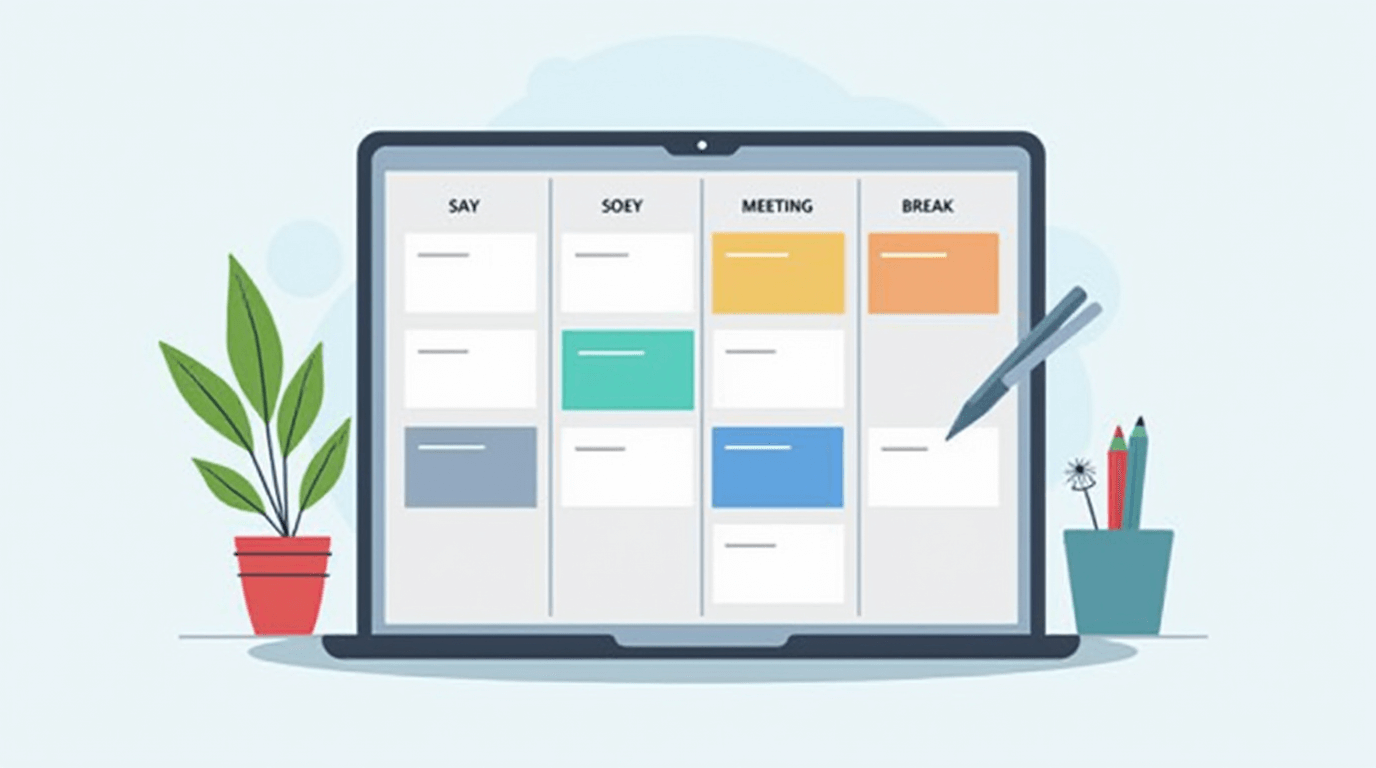
Time Blocking 101: A Beginner’s Guide to Productivity
It’s 6 PM on a Tuesday, and you’re staring at your computer screen with a growing sense of dread. Your to-do list looks exactly the same as it did this morning—maybe even longer. You’ve been “busy” all day, jumping from email to meeting to random urgent requests, yet you can’t point to a single meaningful accomplishment. Sound familiar?
You’re not alone in this struggle. Research from RescueTime shows that knowledge workers check email and messaging apps every 3 minutes on average, while a study by the University of California, Irvine found it takes 23 minutes and 15 seconds to fully refocus after each interruption. No wonder you feel like you’re spinning your wheels instead of moving forward.
The solution isn’t working harder or longer hours—it’s working smarter through intentional time management. Time blocking, a productivity method used by everyone from Bill Gates to Elon Musk, transforms chaotic days into structured, purposeful workflows that maximize your output while reducing stress and overwhelm.
Love getting more done in less time? Master your day with these powerful productivity systems and get inspired to share your own efficiency hacks!
Deep Work: How to Eliminate Distractions and Get Your Most Important Work Done in 2025
How to Stop Procrastinating and Finally Launch Your Dream Money-Making Project
Habits of Productive People: 10 Daily Habits of Highly Productive and Successful People
The Pomodoro Technique: How 25-Minute Intervals Can Boost Your Focus and Income
Time Blocking 101: How to Structure Your Day for Maximum Productivity
What is Time Blocking? Understanding the Foundation
Time blocking is a time management technique where you divide your day into distinct blocks of time, each dedicated to specific tasks or categories of work. Instead of working from a traditional to-do list and reacting to whatever comes your way, you proactively assign every hour of your day to predetermined activities.
This method shifts you from reactive to proactive scheduling, creating a visual roadmap for your day that protects your time and energy for what matters most. When you implement time blocking effectively, you’ll find yourself accomplishing more meaningful work in less time while experiencing greater control over your schedule.
Core Principles of Effective Time Blocking
Intentional Planning Every minute of your workday receives a purpose before the day begins. This intentionality prevents time from slipping away on low-value activities and ensures your energy goes toward your most important objectives.
Realistic Time Estimation Successful time blocking requires honest assessment of how long tasks actually take. Most people underestimate task duration by 25-50%, leading to overpacked schedules and constant stress.
Flexibility Within Structure While time blocking provides structure, it must accommodate unexpected urgencies and changes. The best time blocking systems include buffer time and adjustment protocols for when things don’t go according to plan.
Energy Alignment Strategic time blocking matches your most challenging tasks with your peak energy periods while scheduling routine activities during naturally lower-energy times.
The Science Behind Time Blocking Benefits
Research consistently demonstrates that structured scheduling approaches like time blocking deliver measurable productivity improvements. Understanding the psychological and neurological foundations helps you implement the system more effectively.
Cognitive Load Reduction
When you constantly make decisions about what to work on next, you exhaust mental energy through “decision fatigue.” Time blocking eliminates these micro-decisions by predetermining your focus, preserving cognitive resources for actual work.
A study published in the Journal of Consumer Psychology found that people who used structured planning methods like time blocking showed 40% less mental fatigue at the end of the workday compared to those using traditional task lists.
Deep Work Enhancement
Cal Newport’s research on “deep work” reveals that sustained focus on cognitively demanding tasks produces higher-quality output in less time. Time blocking creates the protected space necessary for deep work by establishing boundaries against interruptions.
Stress Reduction Through Predictability
Uncertainty creates stress hormones that impair cognitive function. Time blocking provides predictability and control, reducing cortisol levels and improving both performance and well-being.
Essential Time Blocking Methods and Strategies
Different time blocking approaches work better for different personalities, work styles, and job requirements. Understanding these variations helps you choose the method that aligns with your specific situation and preferences.
Traditional Time Blocking
The most straightforward approach involves assigning specific time slots to individual tasks or projects. You might block 9:00-10:30 AM for writing, 10:30-11:00 AM for email, and 11:00 AM-12:00 PM for client calls.
Best for:
- People with predictable schedules
- Task-oriented work
- Individual contributors
- Those new to time blocking
Theme-Based Day Planning
This approach assigns entire days or large portions of days to specific types of work. Monday might be “Content Creation Day” while Tuesday becomes “Client Communication Day.”
Advantages:
- Reduces context switching
- Enables deeper focus periods
- Simplifies decision-making
- Works well for entrepreneurs and consultants
Time Boxing Technique
Time boxing combines time blocking with strict time limits. You allocate a fixed amount of time to each activity and stop when the time expires, regardless of completion status.
Benefits:
- Prevents perfectionism and procrastination
- Improves time estimation skills
- Creates urgency that enhances focus
- Forces prioritization decisions
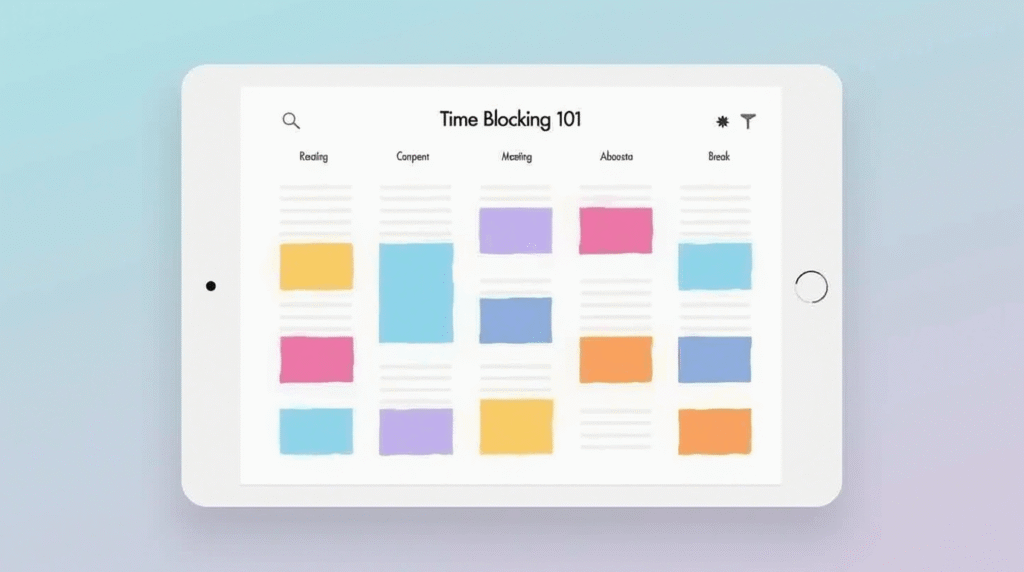
Step-by-Step Time Blocking Implementation Guide
Successfully implementing time blocking requires systematic preparation and gradual adjustment. This step-by-step approach helps you avoid common pitfalls while building sustainable habits.
Phase 1: Preparation and Assessment (Week 1)
Time Audit Track your current time usage for one week without making changes. Use apps like RescueTime or manual logging to identify patterns, time wasters, and energy fluctuations.
Priority Identification List your most important work objectives and personal goals. Distinguish between urgent and important tasks using the Eisenhower Matrix to ensure your time blocks align with meaningful outcomes.
Energy Pattern Recognition Notice when you feel most alert, creative, and focused throughout the day. These insights help you schedule demanding tasks during peak performance periods.
Phase 2: Initial Block Creation (Week 2)
Calendar Selection Choose a digital calendar system that supports time blocking. Google Calendar, Outlook, or specialized tools like Clockify offer features designed for this purpose.
Block Categories Creation Establish consistent color-coding and naming conventions for different types of work:
| Block Type | Color Code | Examples |
|---|---|---|
| Deep Work | Blue | Writing, analysis, strategic planning |
| Communication | Green | Email, calls, meetings |
| Administrative | Yellow | Scheduling, filing, routine tasks |
| Creative Work | Purple | Design, brainstorming, content creation |
| Learning | Orange | Reading, courses, skill development |
| Personal | Red | Exercise, meals, family time |
Initial Schedule Creation Start with large blocks (2-3 hours) rather than detailed scheduling. Focus on protecting time for your most important work while maintaining flexibility.
Phase 3: Refinement and Optimization (Week 3-4)
Buffer Time Addition Add 15-25% buffer time between blocks to accommodate tasks that run over and provide transition periods.
Interruption Protocols Develop systems for handling unexpected requests during blocked time. This might include designated “office hours” for questions or emergency contact procedures.
Weekly Reviews Schedule weekly 30-minute sessions to evaluate what worked, what didn’t, and how to improve your time blocking system.
Advanced Time Blocking Strategies for Maximum Efficiency
Once you master basic time blocking, these advanced techniques help you extract even greater value from your structured schedule.
Energy-Based Scheduling
Align your most challenging work with your natural energy cycles. Most people experience peak cognitive performance 2-4 hours after waking, making this ideal for deep work blocks.
Morning Energy Optimization:
- Schedule creative and analytical tasks between 8-11 AM
- Avoid meetings during peak energy periods
- Use caffeine strategically to enhance focus blocks
Afternoon Energy Management:
- Plan collaborative and communication tasks for post-lunch periods
- Use the 2-3 PM energy dip for routine administrative work
- Schedule brainstorming sessions when social energy is high
Context Switching Minimization
Reduce the mental energy lost when transitioning between different types of work by grouping similar activities together.
Batching Strategies:
- Process all email twice daily during designated blocks
- Schedule all meetings on specific days or time periods
- Group similar tasks (calls, writing, admin) into single blocks
- Minimize app and platform switching within blocks
Seasonal and Project-Based Adjustments
Adapt your time blocking system to reflect changing priorities, deadlines, and seasonal work patterns.
Project Phase Alignment:
- Increase creative blocks during ideation phases
- Add more collaboration time during team-intensive periods
- Schedule focused execution blocks during implementation phases
- Build in review and reflection time during project completion
Common Time Blocking Mistakes and Solutions
Understanding typical implementation challenges helps you avoid frustration and maintain consistency with your time blocking system.
Overambitious Scheduling
The Problem: Packing your calendar too tightly without accounting for task expansion, interruptions, or mental fatigue.
The Solution:
- Start with 70% of your available time scheduled
- Add 25% buffer time to task estimates
- Include 15-minute transition periods between blocks
- Schedule regular breaks to maintain cognitive performance
Perfectionism Paralysis
The Problem: Spending excessive time planning and adjusting your time blocks instead of executing the work.
The Solution:
- Limit planning time to 15 minutes per day
- Accept that some blocks won’t go perfectly
- Focus on progress over perfection
- Use weekly reviews for major adjustments, not daily tweaking
Interruption Mismanagement
The Problem: Allowing every urgent request to derail your planned schedule.
The Solution:
- Establish clear criteria for what constitutes a true emergency
- Create “office hours” for non-urgent questions
- Use communication tools to triage requests
- Build interruption time into your daily schedule
Rigid Inflexibility
The Problem: Treating your time blocks as unchangeable commitments rather than flexible guidelines.
The Solution:
- Build flexibility directly into your system
- Develop protocols for block adjustments
- Maintain an “overflow” list for tasks that don’t fit
- Review and adjust weekly rather than abandoning the system
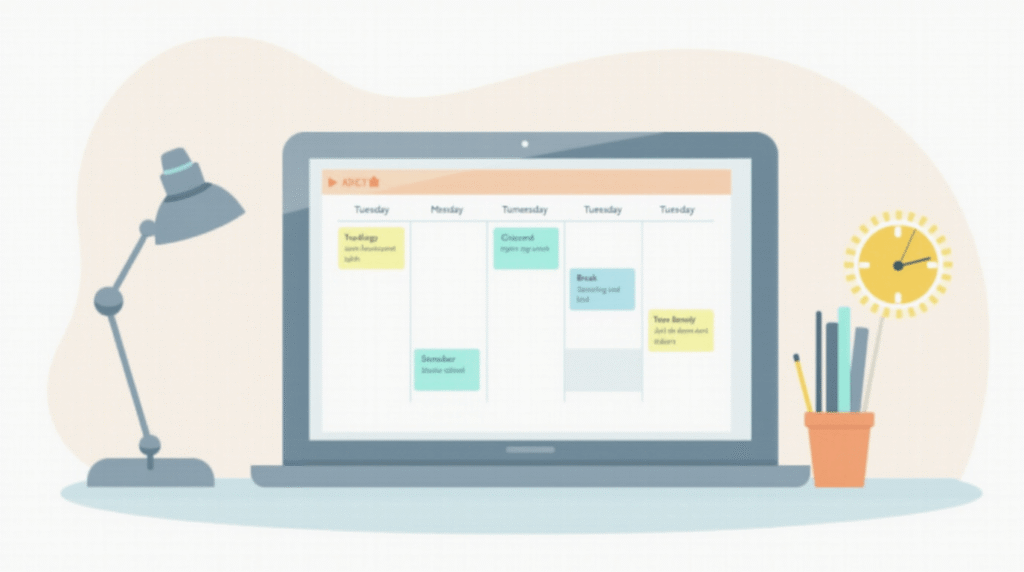
Time Blocking Tools and Digital Solutions
The right tools can significantly enhance your time blocking effectiveness by reducing friction and providing useful analytics about your time usage patterns.
Calendar Applications
Google Calendar
- Free and widely accessible
- Excellent sharing and collaboration features
- Strong mobile app integration
- Color-coding and multiple calendar support
Microsoft Outlook
- Robust enterprise features
- Excellent email integration
- Scheduling assistant for meeting coordination
- Task and calendar synchronization
Apple Calendar
- Seamless integration with Apple devices
- Clean, intuitive interface
- Natural language event creation
- Strong privacy controls
Specialized Time Blocking Apps
Clockify
- Time tracking and blocking combination
- Team collaboration features
- Detailed reporting and analytics
- Project-based organization
Toggl Plan
- Visual timeline interface
- Team workload management
- Project planning integration
- Resource allocation tools
Motion
- AI-powered schedule optimization
- Automatic rescheduling capabilities
- Task and calendar integration
- Focus time protection
Analog Solutions
Paper Planners Despite digital options, many people find physical planners more engaging and less distracting:
- Bullet Journals: Customizable and flexible
- Structured Planners: Pre-formatted time blocking layouts
- Wall Calendars: Visual overview for long-term planning
- Desk Pads: Daily focus with weekly overview
Creating Your Personal Time Blocking System
Your time blocking system should reflect your unique work style, responsibilities, and life circumstances. This customization process ensures long-term sustainability and effectiveness.
Personality-Based Adaptations
For Detail-Oriented People:
- Use smaller time blocks (30-60 minutes)
- Include specific task descriptions
- Track completion percentages
- Create detailed weekly reviews
For Big-Picture Thinkers:
- Focus on large theme blocks (2-4 hours)
- Emphasize outcomes over specific tasks
- Use visual planning tools
- Maintain flexibility for creative inspiration
For Social Individuals:
- Include collaboration time in daily schedules
- Schedule regular check-ins and meetings
- Build in social breaks and informal interactions
- Use shared calendars for team coordination
Industry-Specific Modifications
Creative Professionals:
- Protect large uninterrupted creative blocks
- Schedule inspiration and research time
- Include review and feedback sessions
- Build in client presentation blocks
Consultants and Service Providers:
- Block time for each client separately
- Include proposal writing and business development
- Schedule regular follow-up and relationship maintenance
- Plan for travel and on-site work
Managers and Leaders:
- Reserve blocks for strategic thinking
- Schedule regular one-on-one meetings
- Include team development activities
- Plan for crisis management and urgent decisions
Measuring Time Blocking Success
Tracking the effectiveness of your time blocking system helps you identify improvements and maintain motivation for continued use.
Quantitative Metrics
Productivity Measurements:
- Tasks completed per day/week
- Time spent on high-priority activities
- Percentage of blocks completed as planned
- Reduction in overtime hours
Time Analysis:
- Average time spent on different activity types
- Frequency of schedule disruptions
- Buffer time utilization
- Energy level correlations with different block types
Qualitative Assessments
Weekly Reflection Questions:
- Which blocks felt most productive and energizing?
- What unexpected challenges disrupted my planned schedule?
- How did I feel at the end of each day?
- What adjustments would improve next week’s blocks?
Monthly System Reviews:
- Are my time blocks aligned with my most important goals?
- What patterns emerge in my most and least successful blocks?
- How has my time blocking system evolved since implementation?
- What tools or techniques should I experiment with next?
Time Blocking for Different Life Phases
Your time blocking system must evolve as your responsibilities and priorities change throughout different life phases.
Early Career Professionals
Focus Areas:
- Skill development and learning blocks
- Network building and relationship time
- Portfolio building and side projects
- Health and fitness foundation
Scheduling Strategies:
- Front-load demanding work during peak energy
- Include regular learning and development time
- Schedule networking events and professional development
- Maintain work-life boundaries from the beginning
Mid-Career Managers
Priority Considerations:
- Team development and management tasks
- Strategic planning and decision-making
- Work-life integration with family responsibilities
- Professional growth and leadership development
Time Block Adaptations:
- Schedule regular one-on-ones with team members
- Block time for strategic thinking and planning
- Include family time and personal commitments
- Plan for unexpected team and business needs
Senior Executives and Entrepreneurs
Strategic Time Management:
- Vision setting and long-term planning
- Stakeholder relationship management
- Decision-making and problem-solving
- Personal renewal and avoiding burnout
Executive Blocking Approaches:
- Protect large blocks for strategic work
- Schedule regular CEO/founder activities
- Include board preparation and investor relations
- Maintain physical and mental health priorities
Frequently Asked Questions About Time Blocking
How long should each time block be?
The optimal time block length depends on the type of work and your attention span. For deep work, 90-minute to 3-hour blocks align with natural focus cycles. For routine tasks, 30-60 minute blocks work well. Administrative tasks can be batched into 15-30 minute blocks.
What should I do when time blocking feels too rigid?
Start with larger, more flexible blocks and gradually add structure as you become comfortable. Remember that time blocking is a tool to serve you, not restrict you. Build in buffer time and adjustment periods to maintain flexibility while providing structure.
How do I handle interruptions during blocked time?
Develop a triage system for interruptions. Ask yourself: “Is this truly urgent?” “Can it wait until my next communication block?” “What’s the cost of switching focus right now?” For non-urgent items, capture them in a notebook and address them during designated blocks.
Can time blocking work for people with unpredictable schedules?
Yes, but with modifications. Focus on blocking your controllable time and build in larger buffer zones. Use theme-based blocking rather than specific task assignments. Create contingency plans for different scenarios that commonly disrupt your schedule.
How do I time block effectively when I have many meetings?
Schedule meetings during specific blocks rather than scattered throughout the day. Batch similar meetings together when possible. Block preparation time before important meetings and follow-up time afterward. Protect at least 2-3 hour blocks for focused work each day.
Should I time block my personal time too?
Many people find success blocking personal time, especially for important activities like exercise, family time, or hobbies that might otherwise get squeezed out. However, maintain some unstructured personal time for spontaneity and relaxation.
How do I stick with time blocking when it feels overwhelming?
Start small with just blocking your most important work for 2-3 hours daily. Gradually add more structure as the habit develops. Focus on consistency over perfection—even imperfect time blocking is better than reactive scheduling.
What’s the difference between time blocking and regular calendar scheduling?
Time blocking is more comprehensive and intentional than traditional scheduling. Instead of just scheduling meetings and appointments, you assign every work hour to specific activities or types of work, creating a complete roadmap for your day rather than leaving gaps to be filled reactively.
Conclusion: Transform Your Productivity Through Strategic Time Blocking
Time blocking isn’t just another productivity hack—it’s a fundamental shift in how you approach your work and life. By moving from reactive scheduling to intentional time management, you reclaim control over your most valuable resource: time.
The transformation doesn’t happen overnight. Like any skill, effective time blocking requires practice, adjustment, and persistence. You’ll have days when interruptions derail your carefully planned blocks, and weeks when your schedule feels more chaotic than structured. This is normal and expected.
What matters is your commitment to the process. Each week of consistent time blocking teaches you more about your work patterns, energy cycles, and productivity rhythms. You’ll discover which types of work energize you and which drain your focus. You’ll identify your peak performance periods and learn to protect them fiercely.
Most importantly, you’ll experience the profound satisfaction of intentional living. Instead of ending each day wondering where the time went, you’ll finish with clarity about what you accomplished and confidence in your forward progress.
The system you build today will compound over weeks and months, creating exponentially greater productivity and life satisfaction. Your future self—the one who consistently accomplishes meaningful work, maintains better work-life balance, and feels in control of their time—is waiting for you to take the first step.
Start your time blocking journey today. Choose tomorrow as your first structured day, and block just 2-3 hours for your most important work. Experience the difference intentional scheduling makes, then expand from there. Your most productive, purposeful life is just one planned day away.
Zero-Based Budgeting: Transform Your Finances with a Budget That Actually Works in 2025