How to Buy Groceries on a Budget Without Sacrificing Quality
Did you know that the average household wastes nearly 30% of its food budget every single month? That is essentially throwing away seed capital that could be used to build your financial freedom. If you have been searching for ways to fund a new side hustle or increase your overall wealth, mastering how to buy groceries on a budget is the most guaranteed, tax-free return on investment you will ever make.
Many aspiring entrepreneurs focus solely on online earnings, completely ignoring the “leaky buckets” in their daily expenses. By treating your household budget like a business, you can drastically reduce expenses without sacrificing the quality of the food you feed your family. In this guide, we will break down exactly how you can slash your supermarket bills, optimize your personal profit margins, and free up cash to invest in your future.
What You’ll Need to Get Started
You don’t need to be an extreme couponer to make this work. Securing groceries on a budget requires a few modern tools and a slight shift in mindset. Think of these as the foundational tools for your offline revenue streams.
- Digital Cash-Back Apps: Apps like Ibotta, Fetch Rewards, or Rakuten (Free).
- A Budgeting Tracker: A simple Google Sheet, YNAB (You Need A Budget), or Mint alternative to track your grocery expenditure.
- Store Loyalty Accounts: Free memberships to your local supermarkets (e.g., Kroger Plus, Target Circle) to unlock digital coupons.
- Meal Planning Template: A basic notebook or digital planner to map out your weekly meals.
- Initial Investment: $0. All tools mentioned have robust free alternatives, making your barrier to entry non-existent.
Time Investment & ROI Timeline
How much could YOU save by following these steps?
Enter your estimated monthly grocery spending below to reveal your personalized savings potential.
Treating your grocery shopping strategically requires a minor upfront time investment, but the hourly “wage” you earn in savings makes it incredibly lucrative.
- Setup Time: 30–45 minutes to download apps, set up a spreadsheet, and create your first meal plan.
- Weekly Commitment: 1 to 2 hours per week for inventory checking, meal planning, and strategic shopping.
- Timeline to First Earnings (Savings): Immediate. You will see your income potential rise on your very next shopping trip.
- Data Check: Most beginners see a 20% to 30% reduction in their grocery bills within the first 30 days of consistent effort, freeing up hundreds of dollars a month.
Love watching your savings grow? Check out these top saving strategies and get inspired to share your own smart money habits!
How to Save Money on Electricity: 15 Surprisingly Simple Tips That Could Cut Your Bills in Half
Best Cashback Apps: How I Earn Over $500 Back a Year on Normal Shopping
How to Lower Your Bills: The Ultimate Guide to Negotiating Your Cable, Phone, and Insurance Rates
Master Your No Spend Challenge: The Ultimate Guide to Rules, Tips, and Incredible Savings in 2025
50 Easy Ways to Save Money on Groceries Without Coupons: Transform Your Food Budget Today
Step-by-Step Implementation Guide
Follow these 10 actionable steps to systematically lower your food costs while maintaining a high-quality, nutritious diet.
1. Audit Your Pantry (The Inventory Check)
Before you buy anything, take stock of what you already own. Businesses do inventory checks to avoid over-ordering; you should do the same. Build your weekly meals around the grains, canned goods, and proteins already sitting in your cupboards.
2. Master Digital Monetization Strategies (Cash-Back Apps)
Turn your receipts into a form of digital income. Before you shop, check apps like Ibotta for cash-back offers on items you already plan to buy. Scan your receipt after checkout to earn points or direct cash. Pro Tip: Combine store sales, manufacturer coupons, and cash-back apps to occasionally get items for free.
3. Embrace Store Brands to Boost Profit Margins
Name brands spend millions on marketing, and they pass that cost onto you. By switching to private-label or store brands (like Kirkland Signature or Great Value), you can save 15% to 30% on staples like oats, canned beans, and spices, instantly improving your household’s bottom line.
4. Reverse-Engineer Your Meal Plan
Instead of choosing recipes and then buying the ingredients, look at your store’s weekly flyer first. See what proteins and produce are steeply discounted, and build your meal plan around those sale items.
5. Calculate the Unit Price
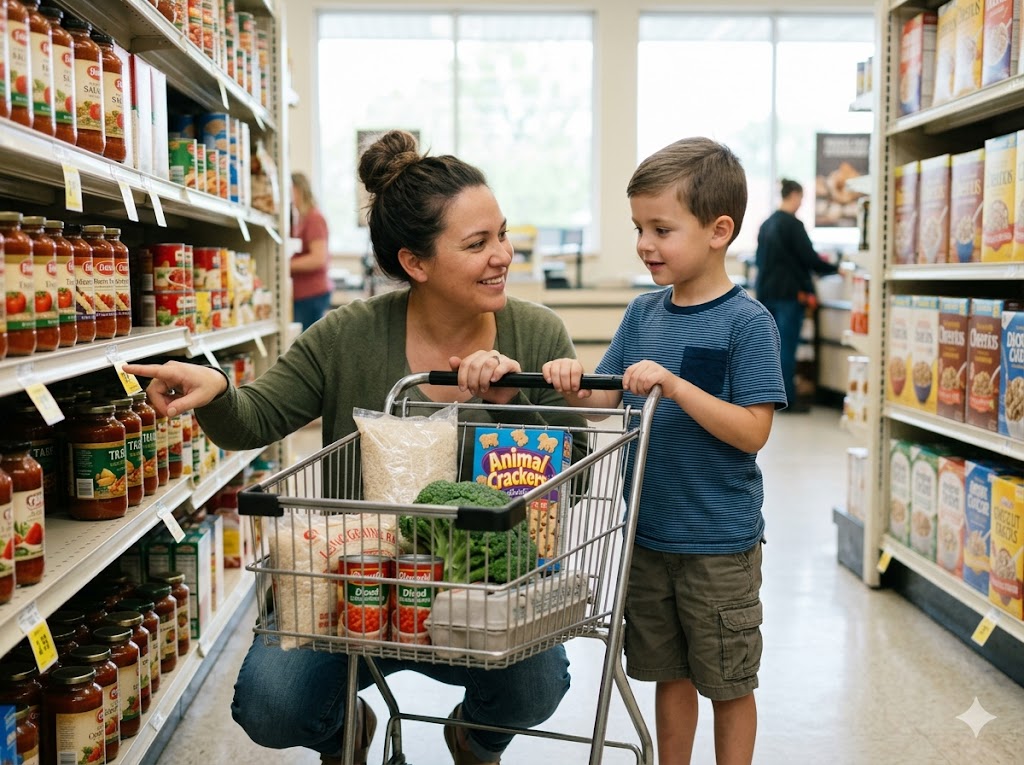
Don’t be fooled by flashy “Sale!” signs. Always look at the unit price (cost per ounce or per 100g) located on the shelf tag. Sometimes, buying two smaller jars is cheaper than buying the “value size” bulk jar.
6. Implement “Meatless Mondays” (and Wednesdays)
Meat is typically the most expensive item in a grocery cart. By substituting meat with plant-based proteins like lentils, chickpeas, or eggs just two nights a week, you can shave $15 to $30 off your weekly bill.
7. Buy Seasonal Produce
Strawberries in December carry a premium price tag because they are imported. Shop for fruits and vegetables that are currently in season locally. They are not only cheaper due to high supply but also taste significantly better.
8. Use the Grocery Pickup Hack
If you struggle with impulse buying, order your groceries online for curbside pickup. This forces you to stick strictly to your list, prevents eye-level marketing traps from working on you, and allows you to watch the total tally up before you check out.
9. Buy in Bulk—But Only for Non-Perishables
Warehouse clubs are great for toilet paper, rice, and pasta. However, buying bulk produce often leads to food waste. Only buy in bulk if the item has a long shelf life and you have the storage space to accommodate it.
10. Implement a Zero-Waste Leftover Policy
Designate one night a week as “Leftover Night” or “Smorgasbord Supper.” Repurposing the remaining portions from previous dinners ensures you consume 100% of what you purchased, maximizing your investment.
Income Potential & Earnings Breakdown
How much can you really “make” by saving on groceries? Let’s look at the numbers. Every dollar saved is a dollar of untaxed income that can be redirected into your passive income investments or debt payoff.
- Beginner Savings: $50 – $100 per month (by simply meal planning and switching to store brands).
- Intermediate Savings: $150 – $250 per month (utilizing cash-back apps, sales cycles, and bulk buying).
- Advanced Savings: $300+ per month (expert coupon stacking, deep pantry management, and zero food waste).
- Annual Projection: An average family saving $200 a month frees up $2,400 a year. If invested in a standard index fund or used as seed money to work from home on a freelance business, the compound value is massive.
Alternative Methods & Variations
If traditional couponing or strict meal planning doesn’t fit your lifestyle, consider these variations to keep your groceries on a budget:
- Community Supported Agriculture (CSA): Buy a “share” of a local farm’s harvest. You get fresh, seasonal produce weekly, often cheaper than supermarket organic prices.
- Discount Grocery Stores: Shift your shopping from premium grocers to discount chains like Aldi, Lidl, or WinCo, where base prices are already slashed.
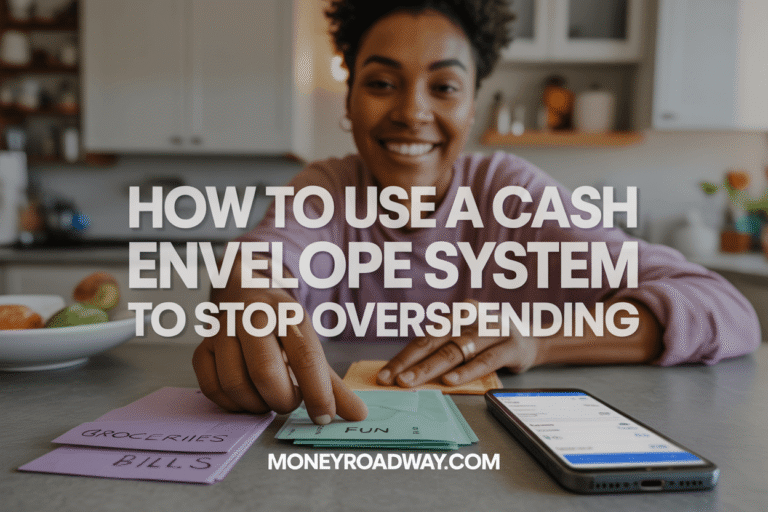
- The Cash Envelope Method: Withdraw your exact grocery budget in cash at the start of the week. When the cash is gone, you stop shopping. This physically prevents overspending.
Best Practices & Optimization Tips
To maximize your household savings and efficiency:
- Shop on Wednesdays: Many supermarkets start their new weekly sales on Wednesdays while honoring the previous week’s sales for one more day.
- Never Shop Hungry: Studies show shopping on an empty stomach leads to a 20% increase in impulse, high-calorie purchases.
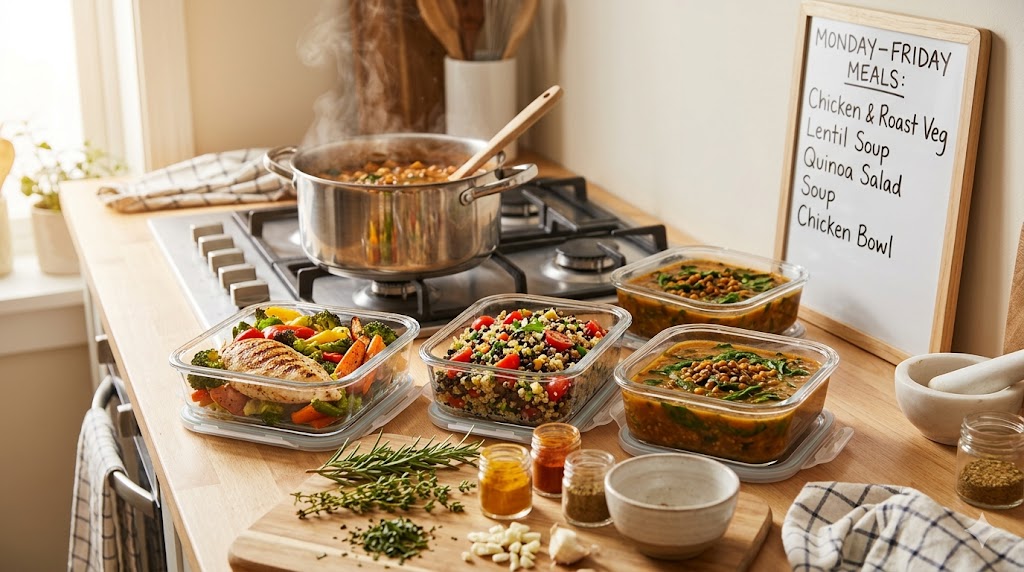
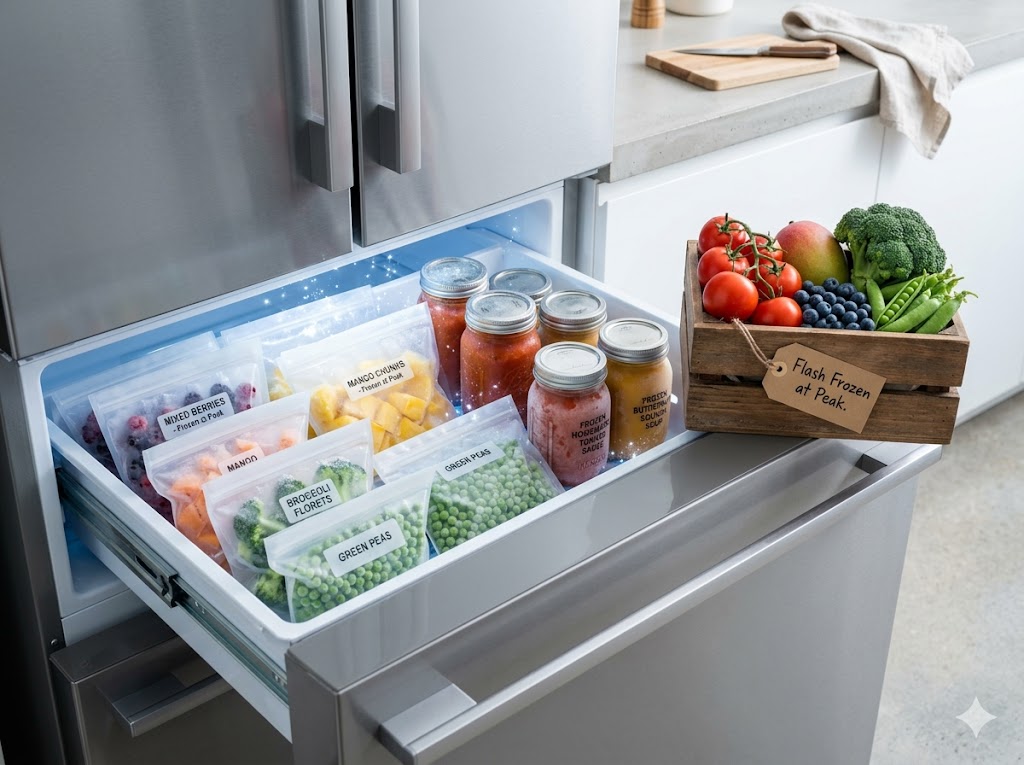
- Batch Cooking: Cook massive portions on Sundays and freeze them. This saves time during the week and prevents the costly “I’m too tired to cook, let’s order takeout” trap.
Common Mistakes to Avoid
Even well-intentioned budgeters fall into traps. Avoid these common pitfalls to protect your capital:
- The “Buy 1 Get 1” Trap: Buying a BOGO item you don’t actually need isn’t saving 50%; it’s wasting 100% of the money you just spent.
- Ignoring Convenience Costs: Pre-chopped onions and bagged salads carry a massive markup. Spend the extra 5 minutes to chop vegetables yourself.
- Brand Loyalty Over Logic: Refusing to try generic brands because of perceived lower quality will cost you hundreds over a year. Statistic: 70% of store-brand items are manufactured in the exact same facilities as name brands.
Long-Term Sustainability & Growth
Once you have mastered buying groceries on a budget, the real magic happens when you give those saved dollars a job.
- Automate Your Savings: If your grocery budget was $800 and you get it down to $600, set up an automatic bank transfer moving that $200 into an investment account or a high-yield savings account every month.
- Fund Your Future: Use the newly freed capital to buy a course, purchase web hosting, or run ads for a new online venture. This is how you transition from just saving money to creating scalable monetization strategies.
Conclusion
Mastering the art of buying groceries on a budget is about much more than clipping coupons; it is a strategic exercise in resource management. By auditing your pantry, utilizing cash-back apps, and shopping with intent, you can easily shave hundreds off your monthly expenses without sacrificing the quality of your meals. The best part? That saved money is the perfect fuel to kickstart your journey toward true financial freedom.
Ready to start your journey? Drop your favorite grocery-saving hack in the comments below! Don’t forget to subscribe to our newsletter for weekly tips on budgeting, side hustles, and maximizing your online earnings.
Frequently Asked Questions (FAQs)
1. How much money can I realistically save on groceries each month?
Depending on your starting point, most households can realistically cut their grocery bill by 20% to 30% (often translating to $100 to $300 a month) by implementing basic meal planning and brand-switching strategies.
2. Do I need prior experience with couponing to see results?
Not at all. The strategies outlined above—like buying store brands, shopping seasonal produce, and checking unit prices—require zero couponing experience and yield immediate results.
3. What is the best app for earning cash back on groceries?
Ibotta and Fetch Rewards are currently the industry leaders. They are free to use, beginner-friendly, and allow you to scan your receipts to earn cash or gift cards on everyday purchases.
4. How long until I see results from my grocery budget?
You will see results on your very first shopping trip. As soon as you switch to a list-based, unit-price-checked shopping method, your total bill at the register will decrease.
5. Is buying in bulk always a guaranteed way to save money?
No. Buying perishables in bulk is a common mistake that leads to food waste. You should only buy items in bulk if they have a long shelf life (rice, pasta, paper goods) and if the unit price is actually cheaper than the standard size.
6. Can I eat healthy while shopping on a strict budget?
Absolutely. In fact, processed and pre-packaged convenience foods are often the most expensive items in the store. Focusing on whole foods like seasonal vegetables, dried beans, rice, and eggs is both highly nutritious and incredibly cost-effective.
(Note for webmasters: Ensure you wrap these questions in FAQ Schema Markup for optimal search engine visibility)
Your Feedback Informs Our Service
There are no reviews yet. Be the first one to write one.